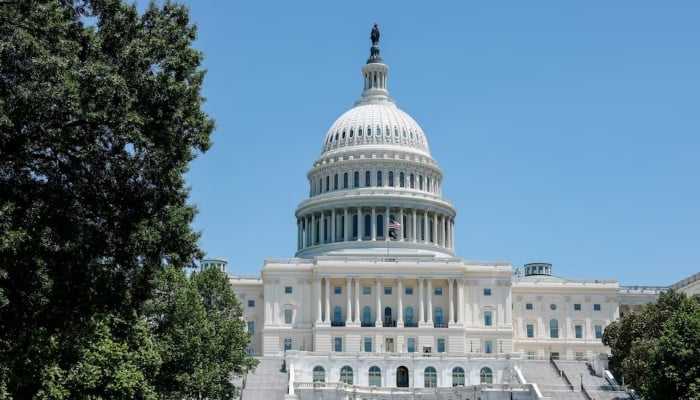
The U.S. Senate has passed a $70 billion bill to fund President Trump’s strict immigration policies, following lengthy debates.
The U.S. Senate on Friday approved a $70 billion funding package aimed at enforcing Donald Trump's stringent immigration crackdown measures. This significant legislative move comes after months of contentious negotiations and heated discussions among lawmakers.
The approval marks a major step forward in the administration's efforts to tighten border security, increase deportations, and implement stricter visa policies. The bill now moves to the House of Representatives for further scrutiny before it can be signed into law by President Trump.
During the Senate debate, several amendments were proposed but ultimately rejected as they conflicted with the administration’s priorities. Critics argue that such large-scale funding could lead to increased human rights violations and strain on local communities. However, supporters contend that robust enforcement is necessary to maintain national security and uphold the rule of law.
The approval of this bill reflects a broader political divide in the United States regarding immigration policies. While some lawmakers advocate for more lenient approaches, others strongly support measures aimed at curbing illegal immigration. The outcome highlights the ongoing tension between these opposing viewpoints within Congress.
As the bill progresses through the legislative process, its impact on both domestic and international relations remains uncertain. Advocates of stricter immigration controls see this as a victory in their ongoing efforts to secure America's borders. Conversely, human rights organizations and immigrant advocates are already preparing legal challenges and public protests against what they view as harmful policies.
This development underscores the complex and often contentious nature of U.S. immigration policy, with far-reaching implications for both domestic politics and global perceptions of American values.