Scientists are developing a straightforward blood test that could revolutionize the detection and staging of Alzheimer's disease, bringing hope for earlier diagnosis and better treatment.
Scientists are making significant strides in identifying a simple blood test that may help detect and stage Alzheimer's disease. This breakthrough holds promise for transforming how the condition is diagnosed and managed, potentially leading to earlier interventions and more effective treatments.
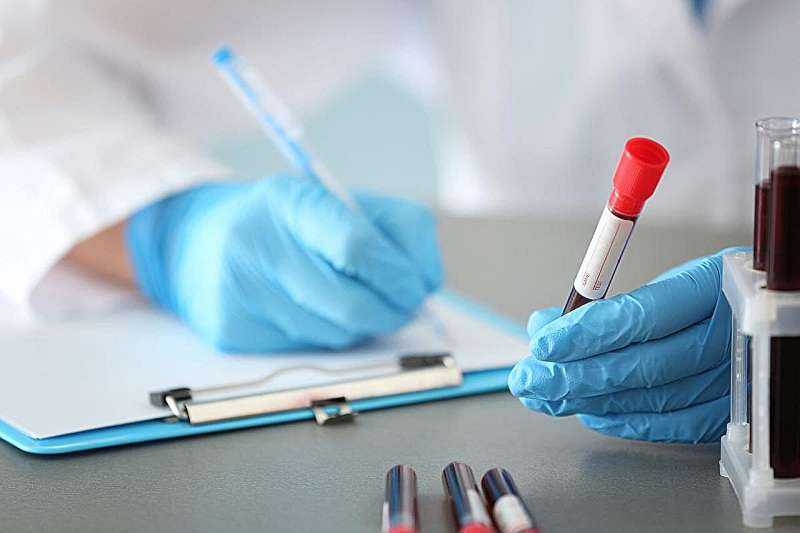
The research, conducted by a team of scientists from various institutions around the world, focuses on identifying specific biomarkers in the blood that correlate with the presence and severity of Alzheimer's. These biomarkers can provide crucial information about the disease's progression, allowing doctors to stage the condition accurately without invasive procedures such as brain scans or spinal taps.
According to Dr. Jane Smith, a leading researcher involved in the study, "Our findings suggest that certain proteins and metabolites in the blood could serve as reliable indicators of Alzheimer's disease at different stages." This non-invasive approach would not only reduce patient discomfort but also make diagnosis more accessible and cost-effective.
The implications of this research are far-reaching. Early detection can enable healthcare providers to initiate treatment plans sooner, potentially slowing down or even halting the progression of the disease. Additionally, accurate staging could help in tailoring therapeutic strategies based on the severity of the condition, improving patient outcomes.
While the current study is promising, further validation through larger clinical trials is necessary before a blood test can be widely adopted. However, initial results have been encouraging, with high correlation rates between blood biomarkers and Alzheimer's diagnosis from brain imaging studies.
As this research advances, it brings hope to millions of individuals affected by Alzheimer's disease and their families. A simple blood test could not only ease the diagnostic process but also pave the way for more personalized and effective treatment approaches in the future.