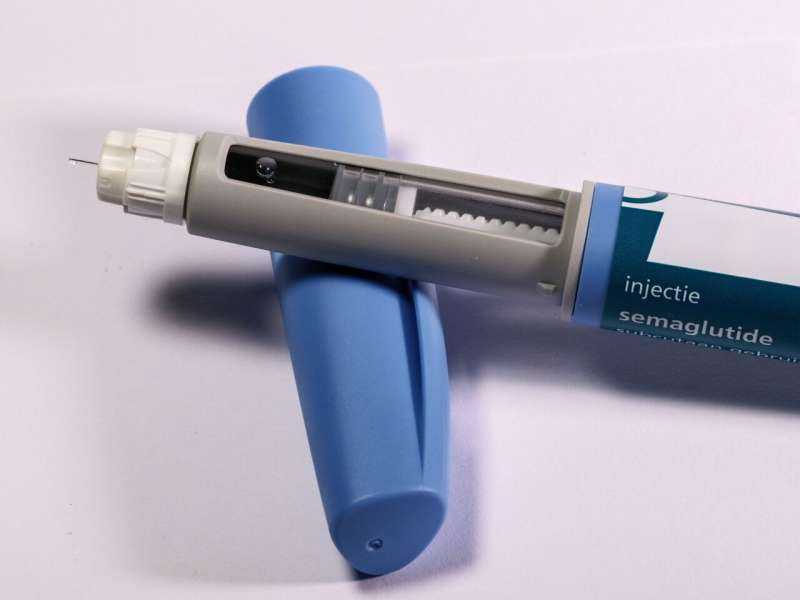
New research from the FLOW trial demonstrates that weekly semaglutide injections improve quality of life by approximately 8 extra healthy days annually for adults with type 2 diabetes and chronic kidney disease.
Semaglutide, a once-weekly injectable medication, has shown significant benefits in improving the health-related quality of life for individuals living with type 2 diabetes and chronic kidney disease. These findings were highlighted at the 63rd European Renal Association (ERA) Congress through the results of the FLOW trial.
The study revealed that patients who received semaglutide experienced an enhancement in their overall well-being, equivalent to gaining about eight additional days per year in full health. This improvement is substantial and underscores the potential of semaglutide as a valuable treatment option for those managing these chronic conditions.
Semaglutide works by mimicking the effects of glucagon-like peptide-1 (GLP-1), which helps regulate blood sugar levels and promotes satiety, thereby aiding in weight management—a critical factor for diabetes patients. The once-weekly administration makes it more convenient for patients to adhere to their treatment regimen.
The FLOW trial's findings are particularly significant as they highlight the dual benefits of semaglutide—improving glycemic control while also enhancing quality of life. This comprehensive approach could lead to better patient outcomes and a reduced burden on healthcare systems by potentially decreasing hospitalizations and other complications associated with these diseases.
In conclusion, the results from the FLOW trial provide compelling evidence that semaglutide can significantly improve the lives of individuals with type 2 diabetes and chronic kidney disease. As research continues, it is expected that more patients will benefit from this innovative treatment, leading to a healthier future for those affected by these conditions.