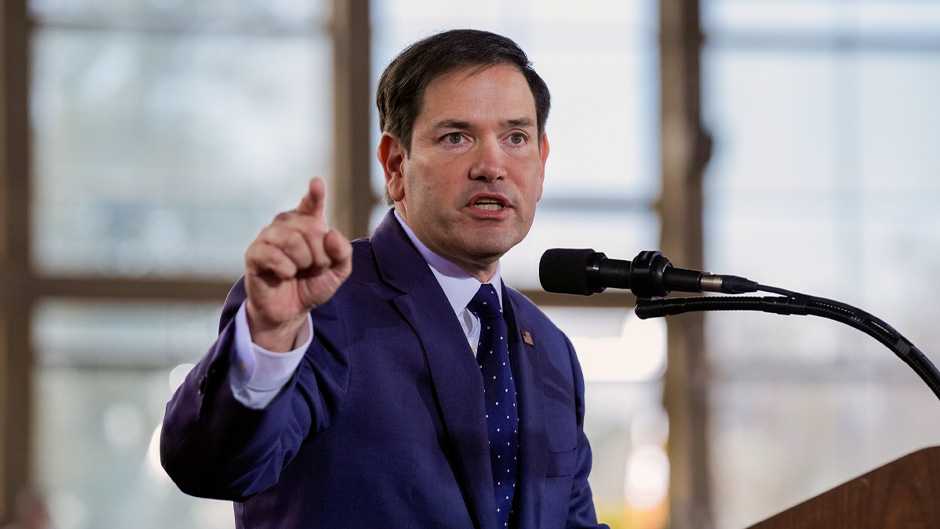
U.S. Secretary of State Marco Rubio announced an end to the conflict with Iran, only for tensions to flare up again in the Persian Gulf region.
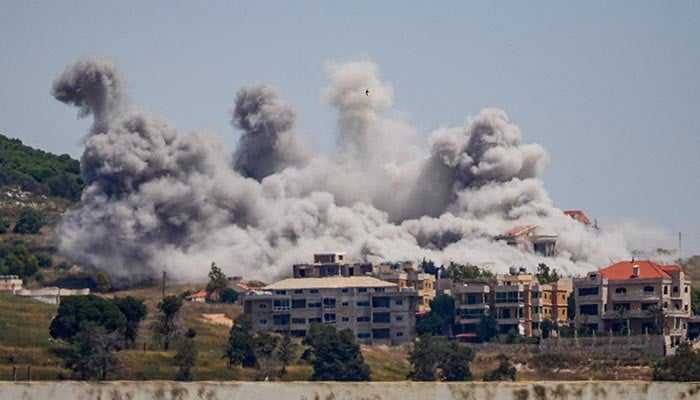
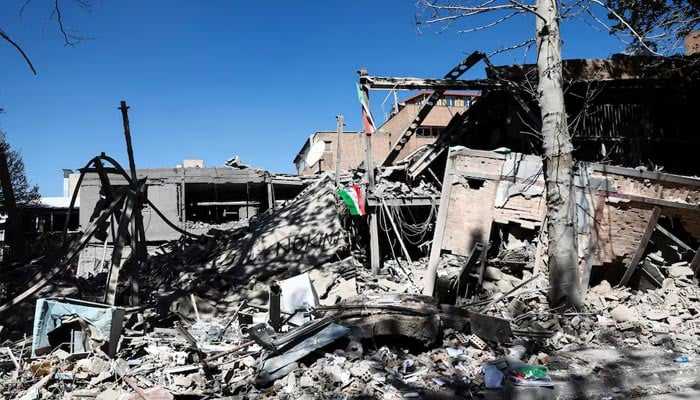
US Secretary of State Marco Rubio declared that "the war is over" during a Senate hearing on Wednesday. However, within hours, new hostilities erupted across the Persian Gulf region as Iranian missiles and drones targeted locations in Kuwait and Bahrain. According to U.S. military statements and international reports, several projectiles were intercepted or failed to reach their intended targets.
The initial statement by Rubio came as part of an ongoing diplomatic effort to de-escalate tensions between the United States and Iran. However, the rapid re-emergence of hostilities suggests that underlying issues remain unresolved. Analysts suggest that both nations continue to engage in covert operations and proxy conflicts, making a complete cessation of hostilities difficult to achieve.
The latest incidents have raised concerns among regional allies and international observers about the stability of the Persian Gulf. Kuwait and Bahrain, which were targeted by Iranian missiles and drones, are key U.S. partners in the region. The intercepted or failed projectiles underscore the ongoing risks and uncertainties in the area.
In response to these developments, both the United States and Iran have issued statements condemning the attacks while maintaining their stance on sovereignty and territorial integrity. The situation highlights the complex geopolitical dynamics at play in the Middle East and the challenges faced by diplomatic efforts aimed at resolving long-standing conflicts.