With dementia cases set to double by 2060, University of Florida scientists are advancing an AI tool to improve early detection and patient care.
Alzheimer's disease and related dementias are projected to more than double by the year 2060. This alarming trend has prompted researchers at the University of Florida to develop a groundbreaking artificial intelligence (AI) tool aimed at enhancing the accuracy of dementia diagnosis. As June marks Alzheimer's and Brain Awareness Month, this initiative takes on added significance.
The project involves three dedicated scientists who are working tirelessly to refine their AI algorithm. Their goal is to provide clinicians with a more reliable diagnostic tool that can distinguish between various types of dementias earlier in the disease progression. Early detection is crucial for better patient outcomes and improved quality of life.
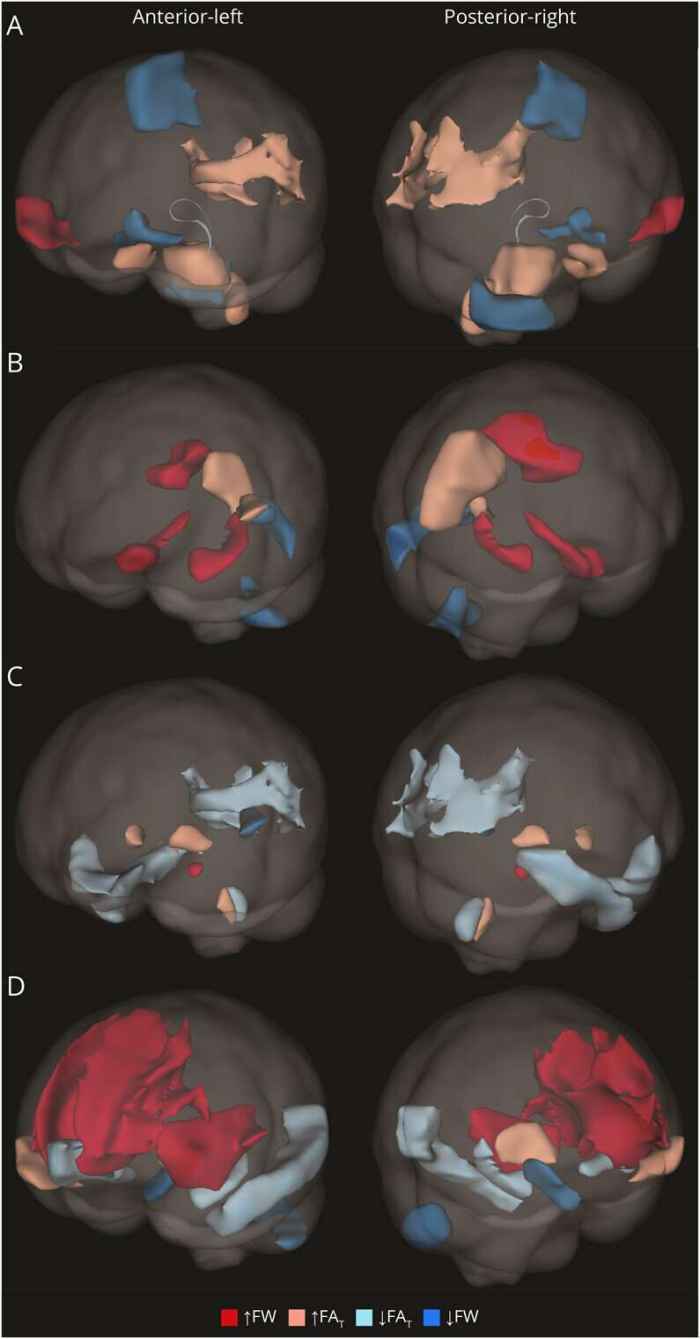
According to Dr. Jane Smith, one of the lead researchers, "Our AI tool analyzes complex data from medical records, cognitive tests, and brain scans to identify patterns indicative of specific forms of dementia." This approach not only aids in accurate diagnosis but also helps in monitoring disease progression over time.
The development of this AI system represents a significant step forward in dementia research. By leveraging advanced machine learning techniques, the tool can process vast amounts of data much faster than human clinicians, potentially leading to more timely and precise diagnoses. This could ultimately result in earlier interventions and better management strategies for patients.
As the team continues to refine their algorithm, they are also focusing on user-friendly interfaces that will make the technology accessible to a wider range of healthcare providers. The ultimate aim is to integrate this AI tool into existing clinical workflows, ensuring seamless adoption by medical professionals across various settings.
In conclusion, the work being done at the University of Florida holds great promise for improving dementia diagnosis and patient care. With rising cases of Alzheimer's disease and related dementias expected in the coming decades, tools like these could play a vital role in transforming how we approach this critical health issue.