Rawalpindi administration boosts polio and dengue control measures with focused field monitoring, hotspot surveillance, and coordinated interdepartmental responses to combat disease transmission.
The Rawalpindi administration has intensified its efforts to eradicate polio and curb the spread of dengue fever, with a heightened focus on field monitoring and surveillance. This proactive approach aims to identify and address potential hotspots of disease transmission, ensuring a swift and effective response to prevent outbreaks.
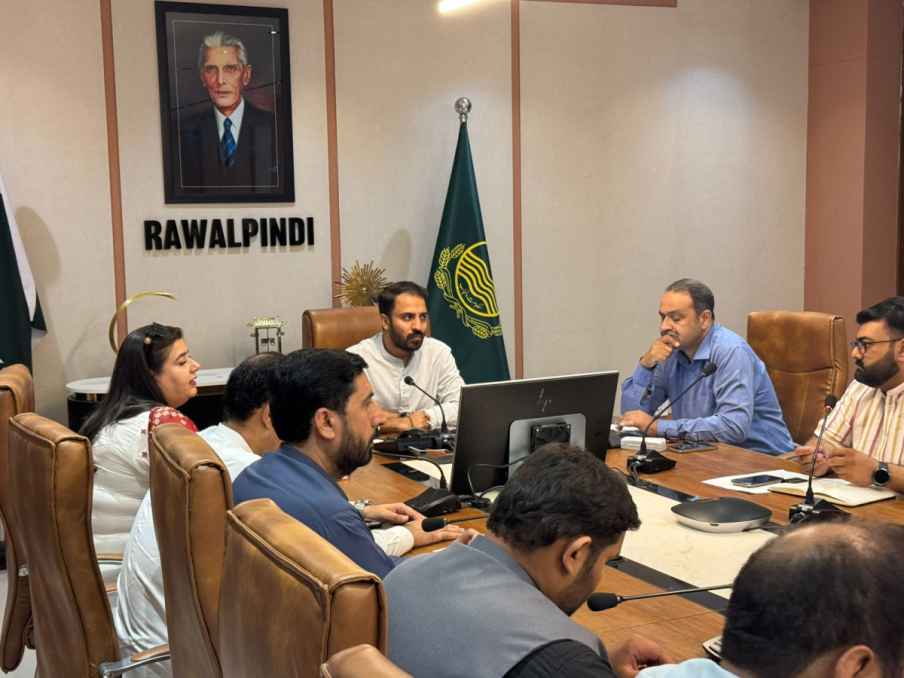
The administration's strategy involves close collaboration among various departments, facilitating a coordinated response to disease control. By strengthening field monitoring and surveillance, the authorities seek to stay ahead of potential health threats, protecting the population from the risks associated with polio and dengue.
Field monitoring is a critical component of the administration's disease control efforts, enabling the early detection of polio and dengue cases. This allows for prompt intervention, including the implementation of targeted vaccination campaigns and vector control measures to prevent the spread of disease. The administration's emphasis on field monitoring demonstrates its commitment to proactive disease control, rather than merely reacting to outbreaks after they occur.
The coordinated response across allied departments is also essential to the success of the disease control efforts. By working together, the various departments can share resources, expertise, and information, ensuring a comprehensive and effective approach to combating polio and dengue. This collaborative approach enables the administration to respond rapidly and decisively to emerging health threats, minimizing the risk of disease transmission and protecting the well-being of the population.
As the administration continues to enhance its disease control measures, the focus on field monitoring, hotspot surveillance, and interdepartmental coordination is likely to yield positive results. By staying vigilant and proactive, the authorities can reduce the incidence of polio and dengue, creating a safer and healthier environment for the people of Rawalpindi. The success of these efforts will depend on sustained commitment and cooperation among the various stakeholders, but the administration's intensified focus on disease control is a promising step in the right direction.