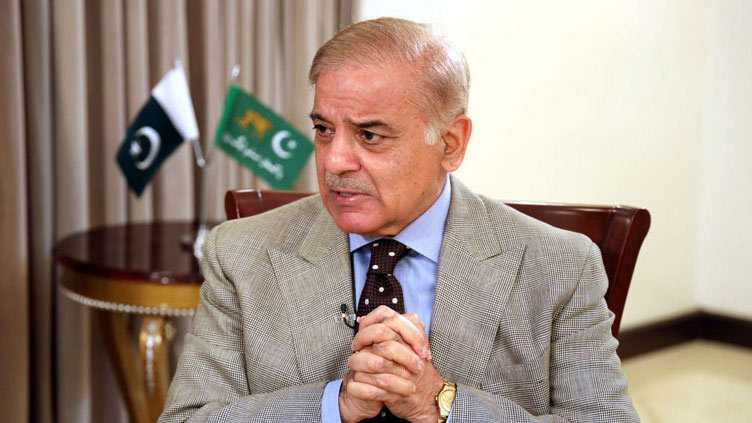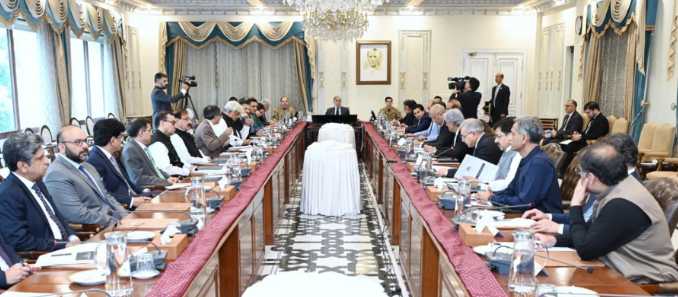
Prime Minister Shehbaz Sharif emphasizes modernizing Pakistan’s tax administration with technology-driven solutions during a review meeting.
Prime Minister Muhammad Shehbaz Sharif recently underscored the necessity of modernizing Pakistan's tax administration through advanced technological solutions. During a high-level review meeting, he highlighted the importance of transparency and reduced human intervention in streamlining the country's tax system. The prime minister specifically directed the launch of an AI-driven automated tax system pilot project in the federal capital.
The initiative aims to leverage artificial intelligence (AI) to enhance efficiency and accuracy within the Federal Board of Revenue (FBR). By integrating AI technology, the government hopes to reduce administrative costs while improving service delivery for taxpayers. This move is part of a broader effort to modernize Pakistan's tax administration and align it with global best practices.
The launch of this pilot project marks a significant step towards transforming the FBR into a more efficient and technologically advanced organization. The AI-driven system will enable automated processing of tax-related tasks, thereby minimizing human error and speeding up the overall process. This is expected to benefit both businesses and individuals by providing faster and more reliable tax services.
In his address, Prime Minister Sharif emphasized that technology can play a crucial role in ensuring a fair and transparent tax administration. He stressed the importance of involving all stakeholders, including taxpayers, in this transformative process. The pilot project will serve as a test bed for evaluating the effectiveness of AI-driven automation before its wider implementation across the country.
The launch of this AI-driven automated tax system pilot is part of a comprehensive strategy to modernize Pakistan's tax administration. It reflects the government’s commitment to leveraging technology to improve service delivery and enhance public trust in the tax system. As the project progresses, it will be closely monitored to ensure that it meets its intended goals and delivers tangible benefits for all stakeholders involved.
This initiative is expected to set a precedent for other sectors within the public sector, encouraging similar technological advancements aimed at improving efficiency and transparency. The success of this pilot could pave the way for broader reforms in Pakistan’s administrative systems, ultimately contributing to economic growth and stability.