The presence of per- and polyfluoroalkyl substances, or PFAS, is a ubiquitous phenomenon that affects virtually every living being on the planet. From the remote regions of Patagonia, where penguins reside, to the most urbanized areas, where human babies are born, PFAS have left an indelible mark. These synthetic chemicals have become an integral part of our environment, and as a result, they can be found in the blood, tissue, and breast milk of humans.
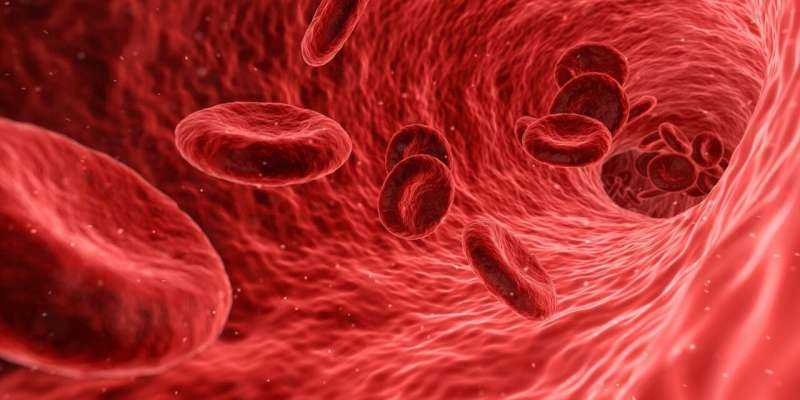
The widespread presence of PFAS in human biology is a cause for concern, as these chemicals have been linked to various health problems. Researchers are working tirelessly to understand the impact of PFAS on human health, and one of the ways they are doing this is by analyzing blood samples. By studying the levels and types of PFAS present in blood, scientists hope to gain a better understanding of how these chemicals affect the human body.
One of the most striking aspects of PFAS is their ability to persist in the environment and in human tissues. This persistence is due to the unique chemical structure of PFAS, which makes them resistant to degradation. As a result, PFAS can accumulate in the body over time, leading to a buildup of these chemicals in blood and tissue. This accumulation can have serious health consequences, and researchers are working to develop new methods for detecting and measuring PFAS in human samples.
The fact that PFAS are present in nearly every human blood sample is a sobering reminder of the pervasive nature of these chemicals. It is a challenge that researchers and policymakers must address, as the health implications of PFAS exposure are still not fully understood. By continuing to study the presence of PFAS in human biology, scientists hope to uncover new clues about the impact of these chemicals on human health and to develop effective strategies for mitigating their effects. As researchers delve deeper into the world of PFAS, they are beginning to read the fingerprints that these chemicals leave behind, and the story they tell is one of widespread exposure and potential harm.