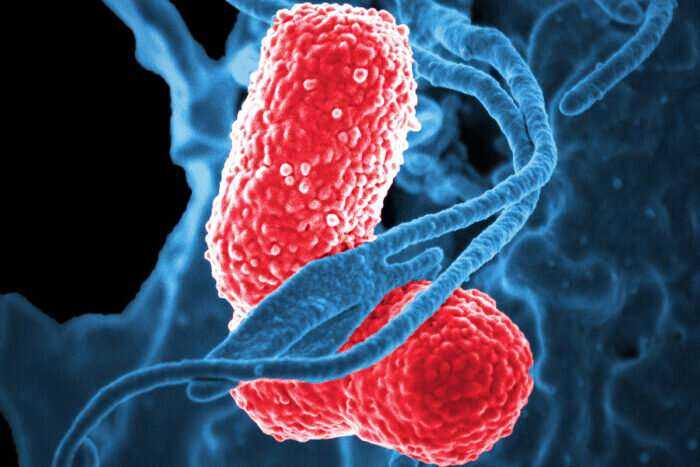
Researchers at McMaster University have discovered manikomycin, a new antibiotic effective against dangerous drug-resistant bacteria like Salmonella and E. coli, opening doors to novel treatments.
Researchers at McMaster University have made a groundbreaking discovery in the fight against drug-resistant bacteria with the identification of a new antibiotic called manikomycin. Led by Professor Gerry Wright, this compound has shown early effectiveness against some of the world's most dangerous pathogens, including Salmonella, E. coli, and Klebsiella.
Manikomycin targets a previously unknown vulnerability in these bacteria, marking it as an entirely novel class of treatments. This breakthrough could potentially revolutionize how we approach antibiotic resistance, which is becoming increasingly critical as traditional antibiotics lose their efficacy against drug-resistant strains.
The discovery of manikomycin highlights the importance of continued research into alternative treatment methods for bacterial infections. With rising concerns over antimicrobial resistance, this new compound offers hope for developing effective therapies that can combat these resilient pathogens. The potential implications of this finding extend beyond just treating current infections; it could pave the way for a broader range of antibiotics to be developed in the future.
This research underscores the ongoing need for innovation and investment in medical science to address the growing threat of drug-resistant bacteria, ensuring that effective treatments remain available as we face increasingly complex health challenges.