Researchers uncover key mechanisms driving chronic skin granulomas, identifying potential new therapies that could benefit millions with these conditions.
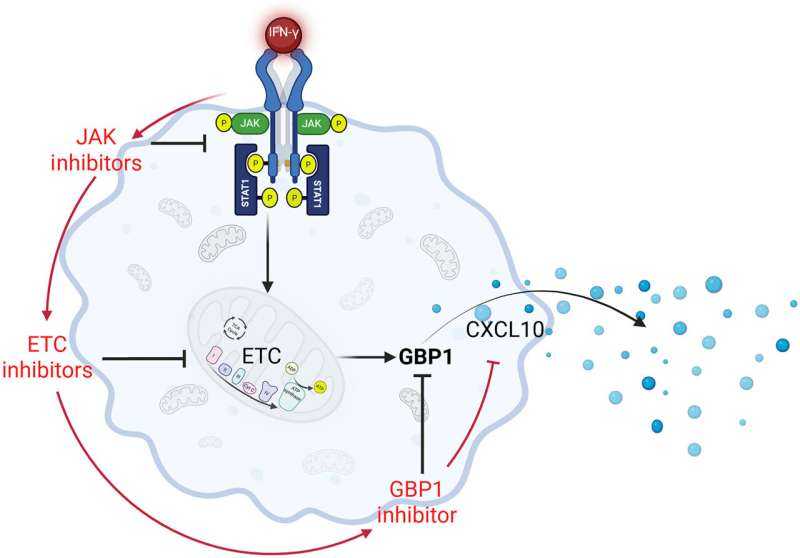
An international research team has made significant strides in understanding the complex immunological and biochemical processes behind granulomatous skin diseases. Their findings, recently published in Science Advances, reveal that macrophages—immune cells often involved in inflammation—are operating in a "marathon mode" to drive the development of these chronic inflammatory conditions.
The study highlights how these immune cells persistently contribute to tissue damage and inflammation over extended periods, potentially leading to long-term skin issues. By identifying specific mechanisms and pathways, scientists are now better positioned to develop targeted therapies that could alleviate symptoms and improve patient outcomes for those suffering from such diseases.
These granulomatous skin conditions can be debilitating, affecting millions worldwide. The research not only deepens our understanding of the underlying biology but also points towards potential new treatment strategies. With this knowledge, medical professionals may soon have more effective tools to combat these persistent inflammatory disorders, offering hope to patients who currently face limited therapeutic options.
The breakthrough in comprehending macrophage behavior and its role in chronic inflammation could lead to innovative drug development approaches. This research underscores the importance of continued interdisciplinary collaboration between immunologists, dermatologists, and biochemists in advancing our understanding and treatment of complex skin diseases.