Stanford Medicine researchers find that two existing drugs work together to improve mucus clearance in animals with cystic fibrosis, potentially reducing chronic lung infections.
Stanford Medicine researchers have discovered that a combination of two existing types of drugs can significantly enhance the clearing of mucus from the lungs of animals with cystic fibrosis. This groundbreaking finding was published in the June 2026 issue of the Journal of Clinical Investigation. The research team's discovery holds promise for reducing chronic lung infections among individuals suffering from this genetic disorder.
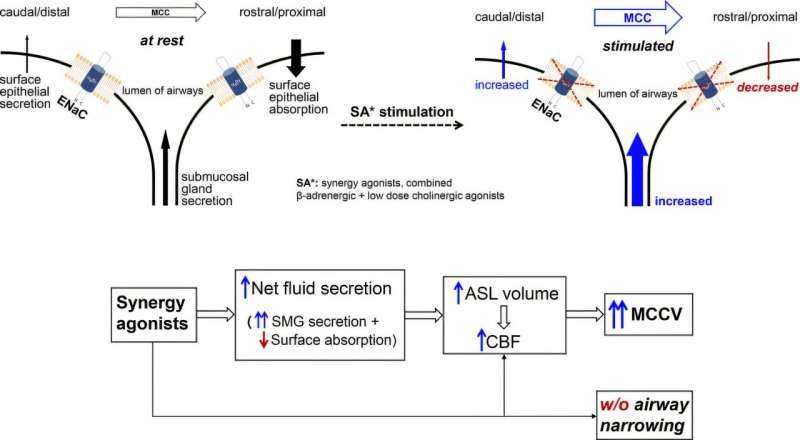
The study involved testing various drug combinations on animal models of cystic fibrosis, focusing on those that could potentially improve mucus clearance—a critical aspect in managing the disease. According to the researchers, these two drugs, when used together, synergize to produce a more effective treatment than either would alone. This synergy appears to target specific mechanisms involved in mucus production and clearance, leading to improved lung function.
If these results can be replicated in human trials, the implications could be significant for cystic fibrosis patients. Chronic lung infections are a major complication of the disease, often requiring frequent hospitalizations and treatments. By improving mucus clearance, this new approach might help reduce the frequency and severity of such infections, thereby enhancing quality of life for those affected.
The next step will involve clinical trials to test the efficacy and safety of these drugs in human patients with cystic fibrosis. If successful, this could lead to a novel treatment option that combines existing medications, potentially offering a more straightforward and cost-effective solution compared to developing entirely new therapies.
This research underscores the importance of continued exploration into existing drug combinations for treating complex diseases like cystic fibrosis. It also highlights the potential benefits of interdisciplinary collaboration in medical research, where insights from basic science can be translated into practical clinical applications.