Scientists at LiU have achieved a breakthrough by using conductive plastics to mimic heart muscle cell ion signaling, opening doors for advanced medical devices.
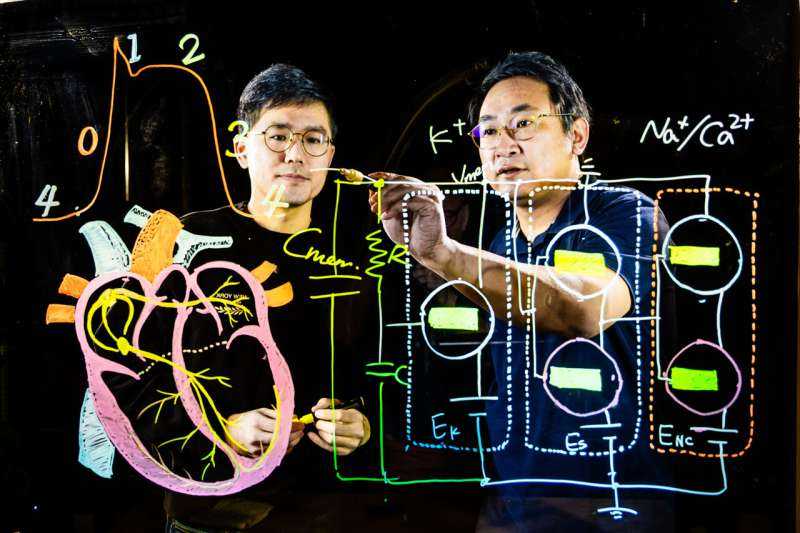
Scientists at Linköping University (LiU) have made significant progress in the field of organic electronics with their groundbreaking achievement. For the first time, researchers have successfully replicated the ion signaling process found within heart muscle cells through the use of conductive plastics. This innovative approach is detailed in a recent publication in Nature Communications.
The ability to mimic this complex biological process has far-reaching implications for medical technology. The findings could lead to the development of more advanced prostheses and heart implants, as well as new types of sensors that can better monitor and interact with cardiac tissue. By harnessing conductive plastics, scientists are able to create materials that closely replicate the electrical signaling mechanisms found in natural heart cells.
This breakthrough opens up numerous possibilities for improving patient care and treatment options. The next steps will involve further research to refine these materials and integrate them into practical medical applications. As the technology advances, it could revolutionize how we approach cardiac health and provide more precise and effective solutions for patients suffering from heart conditions.
In summary, this pioneering work by LiU researchers marks a significant milestone in the field of organic electronics and holds great promise for future advancements in medical devices and therapies.