A heart attack is a catastrophic event that can have far-reaching and devastating consequences, extending beyond the initial acute phase. The aftermath of a heart attack can lead to serious and lasting damage, including the development of heart failure, which can significantly impact an individual's quality of life. Despite the severity of this condition, researchers and clinicians have struggled to establish a standardized treatment protocol to prevent the long-term structural changes that occur in the heart following a heart attack.
The lack of a standardized treatment approach has hindered efforts to effectively mitigate the risk of heart failure after a myocardial infarction. As a result, there is a pressing need to identify novel therapeutic strategies that can help to prevent or reverse the damaging effects of a heart attack on the heart. Recent research has focused on the potential of messenger RNA (mRNA) to play a crucial role in the development of new treatments for heart failure.
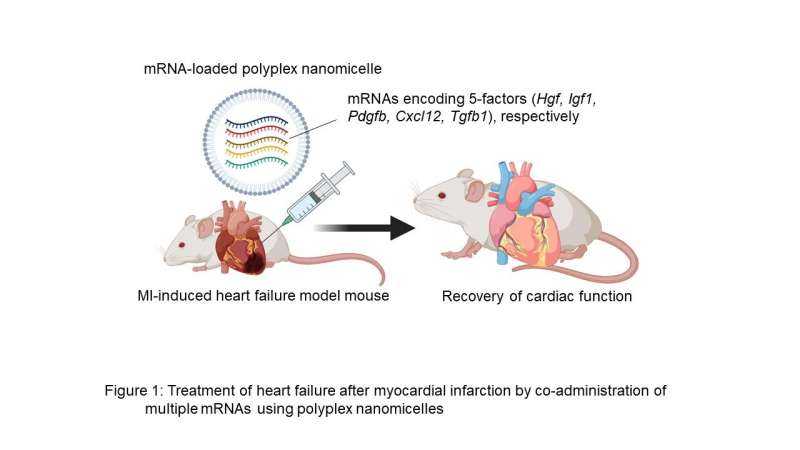
Researchers have made a significant breakthrough in this area, identifying a combination of five mRNAs that have been shown to mitigate heart failure after a myocardial infarction. This discovery offers new hope for the development of effective treatments and prevention strategies for long-term heart damage. The identification of these specific mRNAs provides a potential target for therapeutic intervention, which could help to reduce the risk of heart failure and improve outcomes for individuals who have experienced a heart attack.
The implications of this research are profound, as it suggests that a targeted approach to treating heart failure may be possible. By focusing on the specific mRNAs that contribute to the development of heart failure, clinicians may be able to develop more effective treatment strategies that can help to prevent or reverse the damaging effects of a heart attack. Further research is needed to fully explore the potential of this approach, but the initial findings are promising and offer a glimmer of hope for individuals who have experienced a heart attack and are at risk of developing heart failure.