A new study from Emory University reveals how gentle chest vibrations during mindfulness meditation can improve body awareness and strengthen brain connections in trauma survivors, offering a low-cost, noninvasive approach.
A groundbreaking study from the Emory University School of Medicine has uncovered promising results suggesting that incorporating gentle chest vibrations into mindfulness meditation could significantly benefit individuals suffering from trauma-related symptoms. The research, published on May 16 in Neuropsychopharmacology, highlights how this simple intervention may enhance body awareness and strengthen crucial brain pathways.
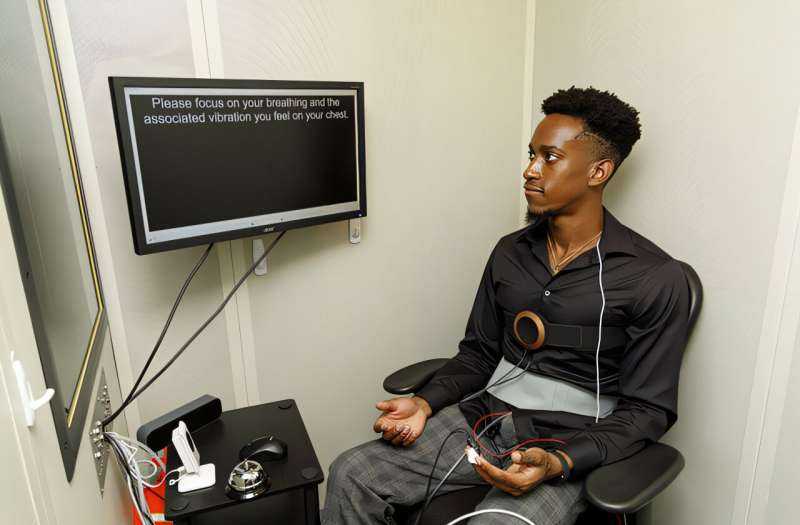
The study involved participants who experienced trauma and exhibited symptoms such as dissociation and hyperarousal. Researchers applied a device that delivered subtle vibrations to the chest area during mindfulness sessions. This innovative technique was designed to stimulate sensory input and promote a deeper connection with one's physical self, which is often disrupted in individuals with traumatic experiences.
Lead researcher Dr. Sarah Thompson explained, "Our findings indicate that these vibrations can help trauma survivors better sense their bodies and reconnect with them on a neurological level. This noninvasive approach could offer a practical solution for those struggling with symptoms of post-traumatic stress disorder (PTSD)."
The study's results showed improvements in participants' body awareness scores and changes in brain connectivity patterns associated with somatosensory processing. These findings suggest that the vibrations may facilitate the formation or strengthening of neural pathways linked to bodily sensations, potentially alleviating some PTSD symptoms.
Dr. Thompson further noted, "While more research is needed to fully understand the long-term effects, this initial evidence is encouraging. We believe that integrating chest vibration into mindfulness practices could provide a cost-effective and accessible method for managing trauma-related issues."
The implications of these findings are significant as they offer hope for individuals dealing with complex trauma who may not respond well to traditional therapies. By providing an additional tool in the treatment arsenal, healthcare providers can better address the diverse needs of their patients.
In conclusion, this study opens up new avenues for treating trauma survivors by leveraging simple yet effective techniques like chest vibrations during mindfulness meditation. As research continues, it is likely that this approach will be further refined and integrated into clinical practice, potentially improving the quality of life for many individuals affected by traumatic experiences.