
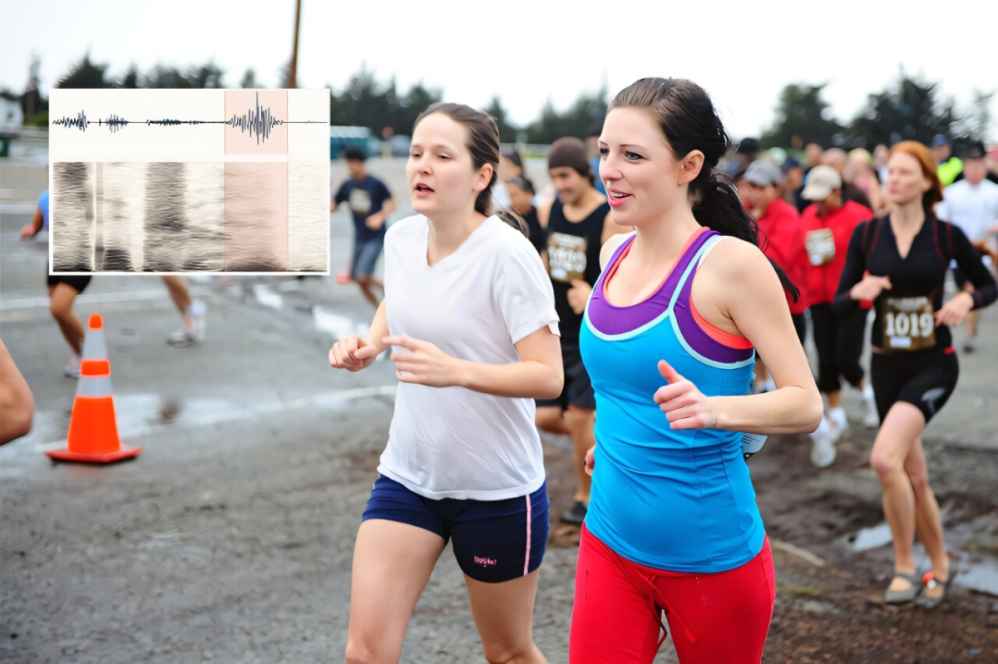
Discover how physical exertion alters vocal characteristics like pitch and intensity. Learn why this information is crucial for improving speech recognition systems.
Your voice changes significantly when you are tired or exerting yourself, a phenomenon that could have implications for future machine learning applications. Zahra Omidi from the University of Texas at Dallas presented her research on the relationship between physical stress and vocal performance at the 190th Meeting of the Acoustical Society of America in May.
According to Omidi, "Physical exertion directly alters respiration and phonation," which means that changes in breathing and speaking are closely linked. During exercise or when under physical strain, these physiological adjustments affect pitch, intensity, and pause structure—key vocal characteristics. These alterations can be subtle but measurable, indicating a shift from normal speech patterns.
"Features like pitch, intensity, and timing show clear and consistent changes even if those differences aren't immediately noticeable," Omidi explained. This suggests that physical stress may impact the production of speech in ways that are not always perceptible to listeners but still measurable through scientific analysis.
Understanding these physiological changes is particularly important for improving automatic speech recognition systems. These systems often struggle with speech patterns that deviate from what they have been trained on, especially during tasks like emergency response or military operations where physical exertion can affect vocal performance.
"Examples include emergency response, military operations, aviation under workload, and wearable voice interfaces," Omidi noted. In these scenarios, the variability in speech due to respiratory and vocal effort constraints can lead to reduced intelligibility and system performance.
To better represent real-world speech behavior, researchers are encouraged to adopt a more holistic view of speech variation as influenced by physiological factors rather than solely focusing on linguistic aspects. This broader perspective could enhance the accuracy and reliability of speech recognition technologies in various applications where voice input is critical.
As machine learning algorithms continue to evolve, they may soon be able to detect these subtle changes in vocal patterns caused by physical exertion. This advancement has the potential to improve communication systems for individuals who are physically active or engaged in high-stress environments, ensuring clearer and more reliable interaction with technology.
Understanding how physiological stress impacts speech can pave the way for developing more adaptive and resilient voice recognition technologies that better accommodate real-world conditions.


