
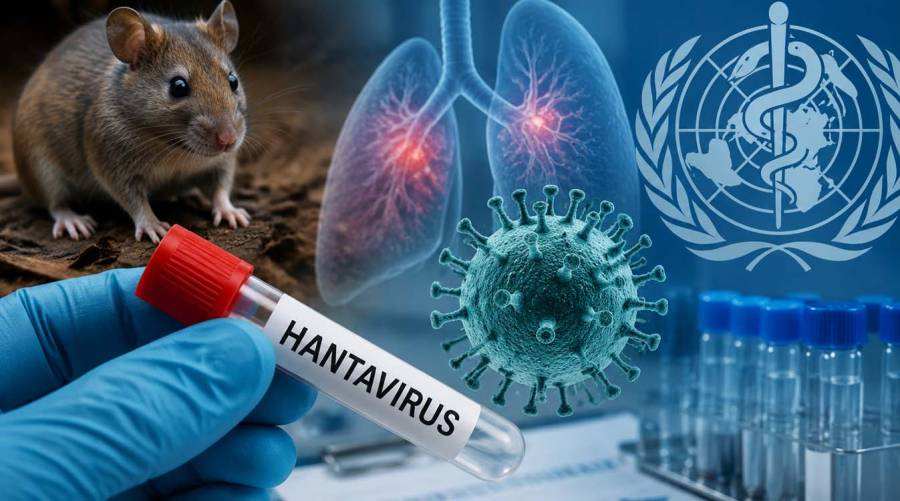
World Health Organization addresses false claims about hantavirus, warning against panic and confusion amid misleading social media posts.
The World Health Organization (WHO) has issued a detailed public clarification to address the growing wave of online misinformation surrounding hantavirus. In a health advisory, WHO sought to debunk several myths related to transmission, treatment, and outbreak response as false claims about the rodent-borne disease continue to circulate on social media platforms. The global health agency specifically addressed concerns that hantaviruses spread rapidly through communities in the same way as coronavirus infections.
WHO stated in its official update: "Hantaviruses are a known group of rodent-borne viruses that have been monitored for decades." According to WHO, human-to-human transmission remains rare and has only been documented in limited cases involving Andes virus, primarily among close household contacts in South America. The organization emphasized that most infections occur after exposure to infected rodents or their urine, saliva, or droppings, particularly in enclosed or poorly ventilated environments contaminated by rodents.
WHO also pushed back against online claims suggesting ivermectin or antibiotics can cure hantavirus infection. WHO stated there is currently no scientific evidence showing ivermectin is effective against hantavirus disease. Similarly, antibiotics are not considered routine treatment because hantavirus infections are caused by viruses rather than bacteria.
Medical experts warn that misinformation surrounding unproven treatments can delay proper medical care and potentially worsen patient outcomes. Early supportive care remains crucial for improving survival chances in cases of hantavirus infection. Healthcare professionals emphasize the importance of prompt hospitalization, intensive care support, and close monitoring of respiratory, cardiac, and kidney complications, especially in severe cases of hantavirus cardiopulmonary syndrome (HCPS).
WHO estimates that globally between 10,000 and more than 100,000 hantavirus infections may occur annually, with the highest burden reported in Asia and Europe. Symptoms can initially resemble flu-like illnesses and include fever, headache, muscle aches, nausea, and vomiting. In severe cases, patients may develop shortness of breath, fluid accumulation in the lungs, low blood pressure, kidney complications, and shock.
WHO explains that hantavirus diagnosis can be difficult during early stages because symptoms overlap with influenza, dengue, COVID-19, viral pneumonia, and other infectious diseases. The organization also addressed conspiracy-driven misinformation suggesting that contact tracing and isolation measures indicate hidden outbreaks or secret pandemics. WHO clarified that monitoring, contact tracing, and temporary isolation are standard public health measures designed to detect symptoms early, protect close contacts, and reduce potential transmission risks during suspected outbreaks.
The agency stressed that such measures are precautionary and do not necessarily indicate widespread uncontrolled transmission. Prevention remains the strongest defense against hantavirus infections. WHO recommends preventive measures focused on reducing contact with rodents and contaminated environments, including keeping homes and workplaces clean, sealing rodent entry points, storing food securely, avoiding sweeping rodent droppings dry, using damp cleaning methods in contaminated areas, and practicing proper hand hygiene.
Public health experts say misinformation during infectious disease events can significantly undermine prevention efforts and create unnecessary fear. WHO stated it will continue working with countries and global health partners to strengthen surveillance, laboratory preparedness, public communication, and outbreak response efforts for hantavirus infections worldwide.


