McGill University researchers find that people with weaker self-perceptions also experience less bodily awareness, reinforcing the link between mind and body. This discovery could impact treatments for psychiatric conditions.
McGill University researchers have uncovered an intriguing connection between one's sense of self and their bodily awareness through a series of experiments involving illusions like those created by fake hands. The findings suggest that individuals who perceive themselves more weakly may also be less aware of their own bodies, further supporting the concept of "embodied cognition."
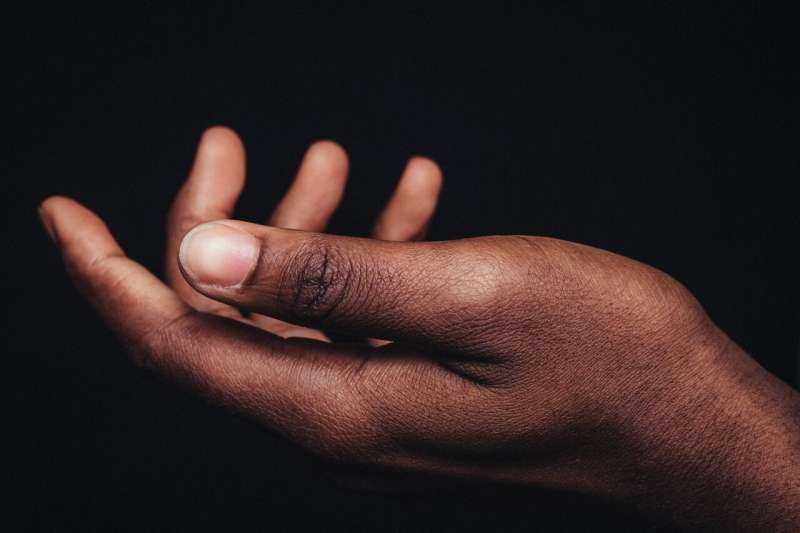
The study delves into how our minds influence our perception of our physical selves. By creating an illusion where a person's real hand is hidden and replaced with a fake one, researchers observed changes in participants' self-perception and bodily awareness. Those who reported feeling less connected to their own identity also showed reduced awareness of their bodies during the experiment.
These results have significant implications for understanding human cognition and could lead to new approaches in treating psychiatric conditions such as body dysmorphia or dissociative disorders. By exploring the interplay between mental states and physical sensations, clinicians might develop more effective therapies that address both aspects simultaneously.
The research highlights the deep connection between our minds and how we experience our bodies, potentially opening up new avenues for psychological treatment. As scientists continue to unravel these complex relationships, they may uncover novel ways to support individuals struggling with various mental health issues.