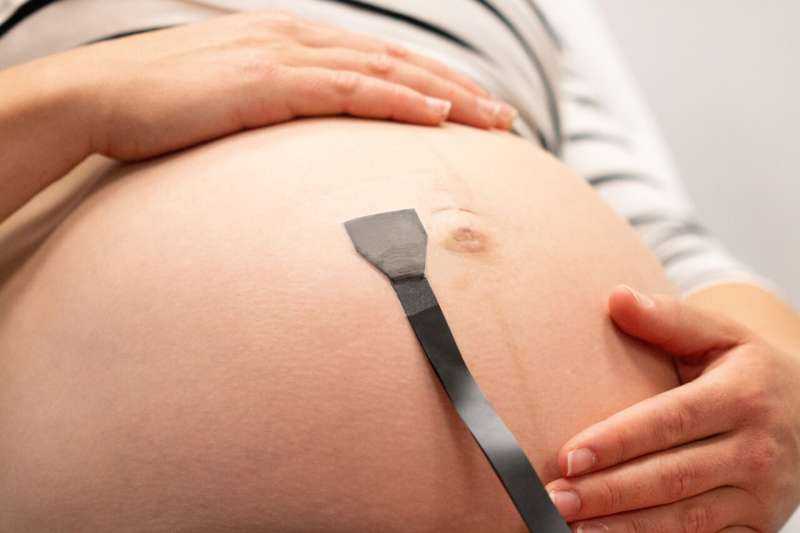
University of California San Diego engineers develop a wearable ultrasound patch for continuous fetal monitoring, enhancing care for high-risk pregnancies with real-time data.
The development of a wearable ultrasound patch by engineers at the University of California San Diego marks a significant advancement in fetal monitoring technology, particularly for high-risk pregnancies. This innovative device is designed to be soft and wearable, allowing it to be comfortably attached to the mother's body for extended periods. One of the key benefits of this patch is its ability to continuously monitor the fetus for hours at a time, providing valuable insights into the fetus's health and development.
The wearable ultrasound patch is capable of consistently tracking the fetus even as it moves, along with the umbilical cord, during pregnancy. This is a significant improvement over traditional ultrasound methods, which often require multiple sessions and may not provide continuous data. By offering real-time monitoring, this patch has the potential to enhance the care provided to high-risk pregnancies, enabling healthcare professionals to make more informed decisions and respond promptly to any potential issues.
The creation of this wearable ultrasound patch is the result of collaborative efforts by engineers at the University of California San Diego, who have been working to develop innovative solutions for improving fetal monitoring. Their focus on designing a soft, wearable device reflects the importance of comfort and practicality in medical technology, particularly for pregnant individuals who may need to wear the device for extended periods.
As this technology continues to evolve, it is likely to have a positive impact on the care provided to pregnant individuals, especially those with high-risk pregnancies. By enabling continuous monitoring and providing real-time data, the wearable ultrasound patch has the potential to improve health outcomes and reduce the risks associated with pregnancy complications. Further research and development are necessary to fully realize the benefits of this technology, but the initial results are promising and suggest a significant step forward in fetal monitoring and care.
The potential applications of this wearable ultrasound patch extend beyond high-risk pregnancies, as it could also be used to monitor fetal development in low-risk pregnancies. This could lead to a better understanding of fetal growth and development, enabling healthcare professionals to provide more personalized care and support to pregnant individuals. As the technology continues to advance, it is likely to play an increasingly important role in improving pregnancy care and outcomes, and its development is a testament to the innovative spirit and collaborative efforts of the engineers and researchers involved.