
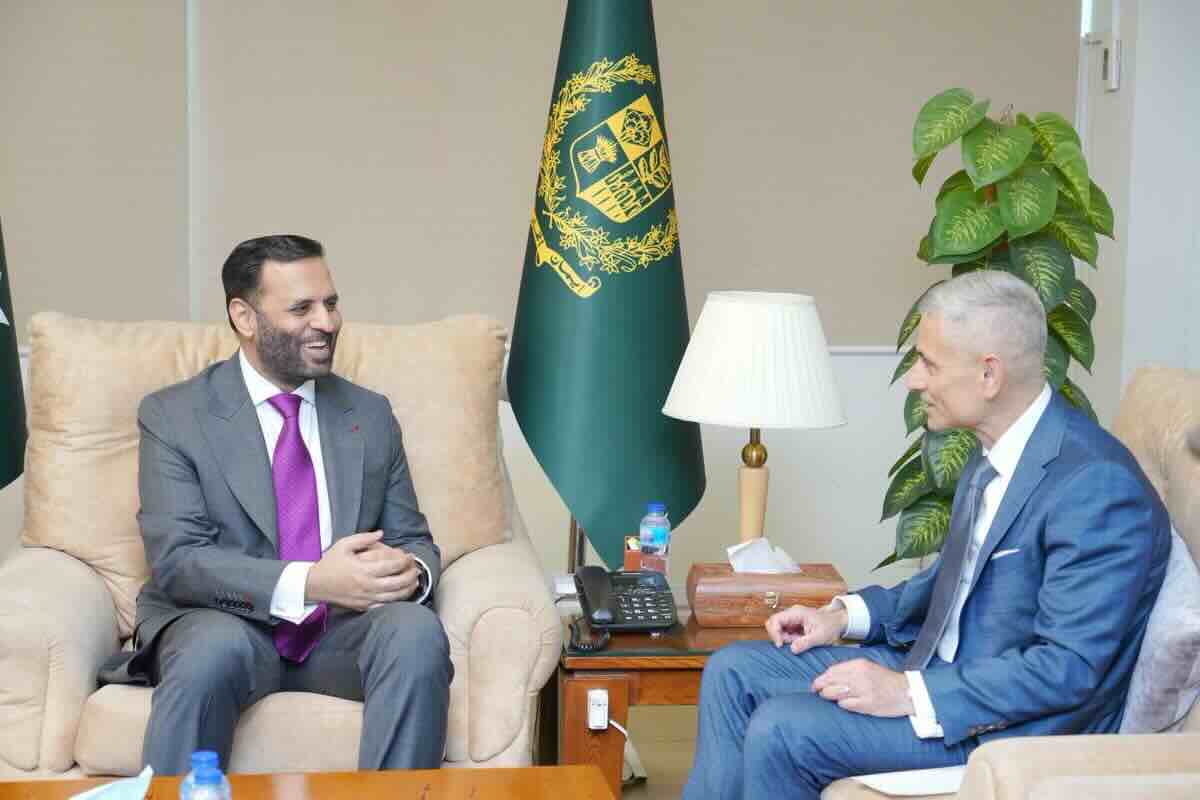
Senior U.S. official S. Paul Kapur met with Pakistani Health Minister Syed Mustafa Kamal to discuss strengthening global health cooperation, improving Pakistan’s healthcare system, and enhancing infectious disease response capabilities. The meeting highlights growing U.S.-Pakistan collaboration in public health, medical infrastructure, and pandemic preparedness.
Pakistan and the United States are expanding cooperation in the healthcare sector as senior American official S. Paul Kapur held an important meeting with Pakistani Health Minister Syed Mustafa Kamal to discuss future collaboration on global health initiatives, healthcare infrastructure, and infectious disease preparedness.
In a statement shared after the meeting, Kapur described the discussion as productive and emphasized Washington’s continued commitment to supporting Pakistan’s health sector. The talks focused on improving coordination between the two countries in areas including disease surveillance, emergency medical response, public health systems, and healthcare resilience.
The meeting comes at a time when countries around the world are increasing investments in pandemic preparedness and infectious disease monitoring following lessons learned from recent global health crises. Pakistan, with its large population and evolving healthcare needs, remains a key regional partner in international health cooperation efforts.
Officials discussed ways to strengthen Pakistan’s health system capabilities through technical collaboration, knowledge sharing, and support for modern disease response mechanisms. Public health experts increasingly view international partnerships as essential for addressing cross-border health threats, including emerging viruses, antimicrobial resistance, and future pandemic risks.
The discussion also reflects broader diplomatic engagement between the United States and Pakistan in strategic sectors beyond security and trade. Healthcare cooperation has become an important pillar of bilateral relations, particularly in areas involving vaccination programs, medical research, infectious disease containment, and healthcare technology development.
Pakistan’s healthcare sector continues to face challenges linked to population growth, healthcare accessibility, hospital infrastructure, and resource allocation. International collaboration with global partners can help improve response systems, strengthen public health institutions, and support healthcare modernization efforts across the country.
Analysts say the renewed focus on health diplomacy could create opportunities for expanded cooperation in biotechnology, pharmaceutical development, telemedicine, digital health systems, and medical training programs. Enhanced collaboration may also help Pakistan improve preparedness for future health emergencies while strengthening regional health security.
The meeting between U.S. and Pakistani officials signals continued momentum in diplomatic engagement centered on public health cooperation and long-term healthcare development. As global health challenges continue to evolve, partnerships focused on infectious disease response and healthcare resilience are expected to remain a major priority for governments worldwide.


