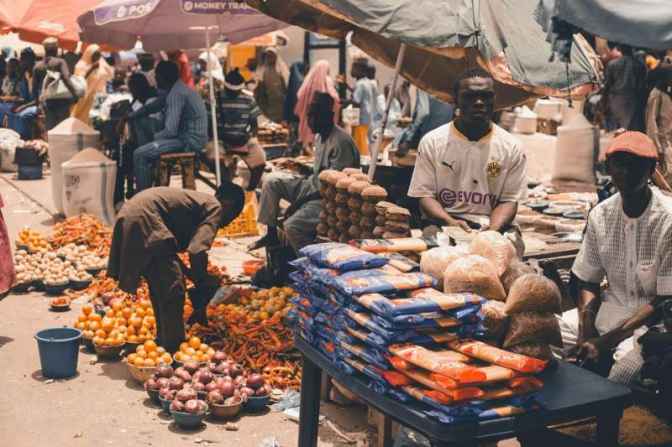
The World Health Organization unsafe food causes over 866 million illnesses and 1.5 million deaths annually, with children being particularly at risk.
Unsafe food poses a significant global health threat, claiming the lives of approximately 1.5 million people each year, according to new data from the World Health Organization (WHO). This alarming statistic highlights the often-overlooked impact that contaminated food has on public health, economic development, and vulnerable populations, particularly children.
The WHO’s findings reveal that unsafe food not only leads to severe illnesses affecting millions but also contributes to substantial economic burdens. The organization estimates that 866 million people fall ill annually due to consuming contaminated food, underscoring the urgent need for improved food safety measures worldwide.
Children are disproportionately affected by this issue, with their developing immune systems making them more susceptible to foodborne diseases. This vulnerability not only impacts individual health but also has far-reaching consequences on a child’s growth and development, potentially leading to lifelong disabilities or even death. The economic implications of such illnesses can be devastating for families and communities, exacerbating poverty and hindering progress.
The WHO emphasizes the importance of prioritizing food safety at all stages of production, processing, handling, and consumption. Governments, health organizations, and industries must collaborate to implement robust measures that ensure food quality and safety. This includes enhancing regulatory frameworks, promoting good hygiene practices among producers, and increasing public awareness about safe food handling.
By addressing these critical issues, the global community can work towards reducing the burden of unsafe food on public health and fostering healthier, more resilient societies.