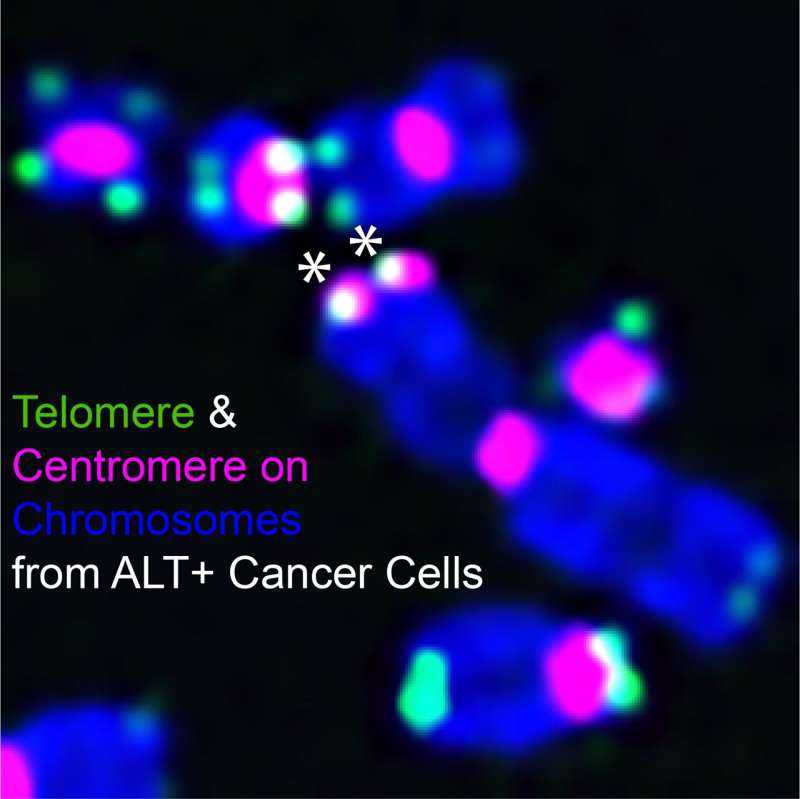
A study published in Nature reveals new insights into how certain cancers achieve uncontrolled growth through previously unknown chromosome interactions.
Researchers at the University of Pittsburgh School of Medicine and UPMC Hillman Cancer Center have uncovered a groundbreaking discovery that sheds light on the mechanisms behind aggressive cancers. Their findings, detailed in an article published in the prestigious journal Nature, reveal a previously unrecognized change in how genetic material is packaged into chromosomes. This new understanding could potentially lead to more effective treatments for certain types of cancer.
The study highlights how these chromosome interactions play a crucial role in enabling some cancers to sustain unlimited growth. By altering the way genes are organized within chromosomes, these cancers can bypass normal cellular controls and continue to proliferate unchecked. The researchers believe that this insight into the underlying genetic mechanisms could pave the way for new therapeutic approaches targeting these specific interactions.
This discovery is significant because it provides a deeper understanding of cancer biology at a fundamental level. It challenges existing models of how cancer cells operate and opens up new avenues for developing precision therapies tailored to exploit these unique interactions. The implications of this research extend beyond just one type of cancer, suggesting that similar mechanisms might be involved in other aggressive tumors as well.
As the team continues to explore these chromosome interactions, they hope to identify specific targets that can be manipulated to halt cancer progression. This work not only advances our knowledge of cancer biology but also brings us closer to more personalized and effective treatments for patients suffering from these aggressive forms of the disease.