A new review highlights how eosinophils, once seen only in allergic responses, could play a crucial role in predicting cancer immunotherapy outcomes and patient survival.
For decades, eosinophils have been primarily associated with allergic reactions and antiparasitic defense mechanisms. However, recent research is revealing their potential as key players in the complex world of oncology. A comprehensive review article, led by Marie Gilon, an oncology resident physician and Ph.D. candidate at the University of Liège, synthesizes current knowledge on these white blood cells and their interactions with tumor biology.
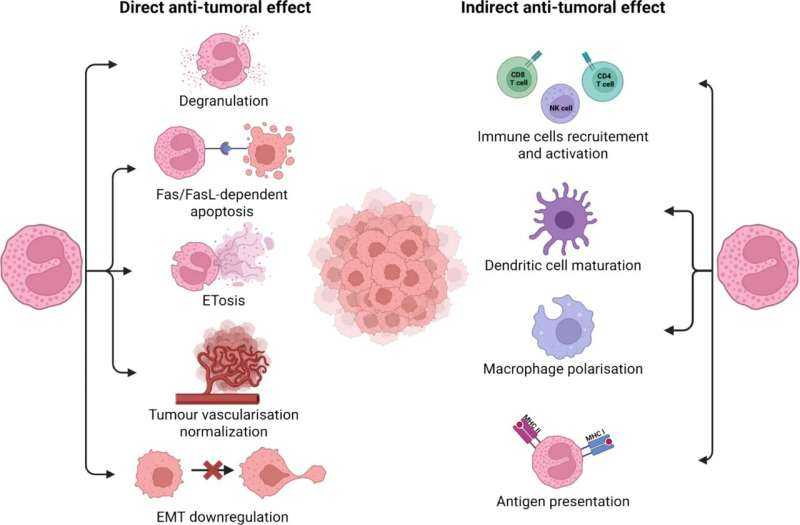
The study underscores how eosinophils can influence cancer progression and response to immunotherapy. These cells are now recognized for their ability to modulate immune responses within tumors, potentially serving as biomarkers for predicting treatment outcomes. Gilon's work integrates findings from various studies, providing a holistic view of the role eosinophils play in cancer biology.
By understanding the mechanisms through which eosinophils interact with tumor cells and the immune system, clinicians may be able to develop more personalized treatment strategies. This could lead to improved patient management and outcomes, particularly for those undergoing immunotherapy. The review highlights that higher levels of eosinophils in certain types of cancer patients might correlate with better response rates and longer survival times.
Moreover, Gilon's findings suggest that further research is warranted to explore the therapeutic potential of targeting eosinophils in cancer treatment. This could open new avenues for developing more effective immunotherapies and improving overall patient care. As oncology continues to evolve, the role of eosinophils as unexpected allies in predicting and managing cancer outcomes becomes increasingly significant.