
New study links ultra-processed foods with increased asthma risk in Spanish children, highlighting the importance of dietary changes.
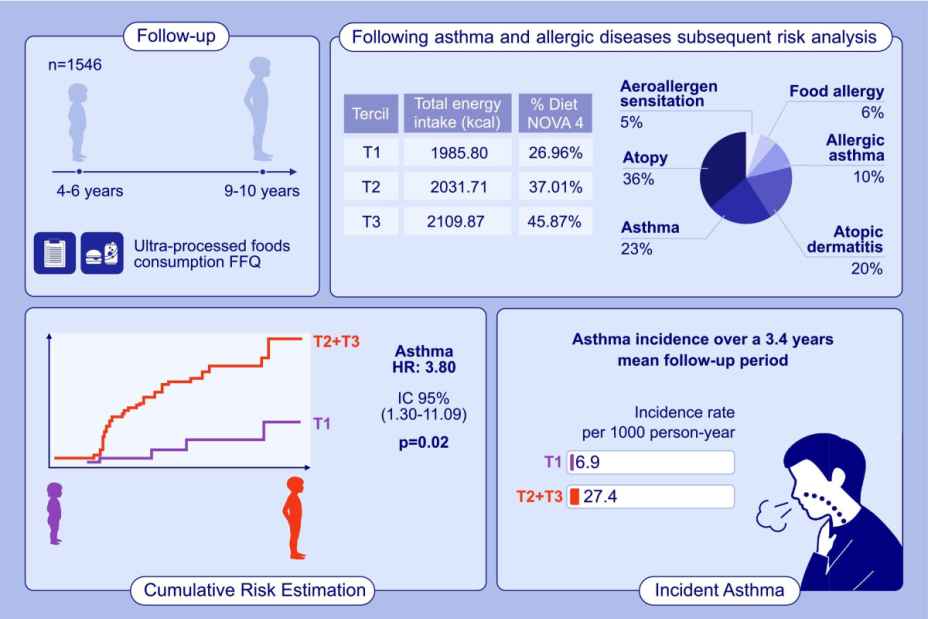
A new study published in the journal Allergy has found a strong link between the consumption of ultra-processed foods (UPFs) and an increased risk of childhood asthma. Researchers from the SENDO project followed nearly 700 Spanish children for an average of 3.4 years, tracking their dietary habits and health conditions.
The study revealed that children who consumed more than 30% of their daily energy intake from ultra-processed foods had a nearly fourfold higher risk of developing asthma in their early school years compared to those with lower UPF consumption. Ultra-processed foods include items such as soda drinks, packaged snacks, and sweetened breakfast cereals.
The researchers used the NOVA system to classify the foods according to processing levels rather than nutrient content. Parents were asked to report on their children's dietary habits using a detailed questionnaire, which was updated annually regarding any asthma or allergy diagnoses.
To ensure accuracy in the study results, the team took into account various factors that could skew the findings, such as the child’s weight and screen time. The NOVA classification system categorizes foods into four groups: unprocessed or minimally processed foods; processed culinary ingredients; processed foods with minimal changes to their original state; and ultra-processed foods.
The study found a clear pattern indicating that higher consumption of UPFs was associated with an increased risk of asthma onset in school-age children. Specifically, the researchers observed a nearly fourfold increase in asthma risk among those consuming more than 30% of their daily energy from ultra-processed foods compared to those with lower intake.
Notably, no such link was found between ultra-processed foods and other allergic conditions like eczema or hay fever. The study authors suggest that this may be because UPFs are irritating the lungs through a type of inflammation rather than an allergic reaction.
Given these findings, the scientists have called for public health policies aimed at limiting processed food consumption in children's diets as a preventive strategy against asthma and other respiratory issues.
Dr. Paul Arnold, author of the study, emphasizes the importance of this research: "These findings highlight the need for public health policies aimed at limiting processed food consumption in children's diets as a preventive strategy."
The results suggest that parents and caregivers should consider reducing the intake of ultra-processed foods to potentially lower their child’s risk of developing asthma. However, it is important to note that while this study provides strong evidence linking UPFs with an increased asthma risk, more research is needed to fully understand the mechanisms behind this connection.
As Dr. Lisa Lock, the scientific editor involved in reviewing and fact-checking the article, notes: "This study adds to growing concerns about the impact of ultra-processed foods on health outcomes, particularly respiratory conditions like asthma."
The findings underscore the need for further investigation into dietary factors that contribute to childhood asthma and highlight the potential benefits of promoting healthier eating habits among young children.


