Experts highlight the importance of prioritizing sleep to manage anxiety during pregnancy, addressing a common yet often overlooked challenge.
Anxiety is a significant and under-discussed issue for pregnant women, with studies indicating that it affects more expectant mothers than postpartum and perinatal depression. While the focus on mental health after childbirth has grown, the need to address anxiety early in the pregnancy journey remains crucial.
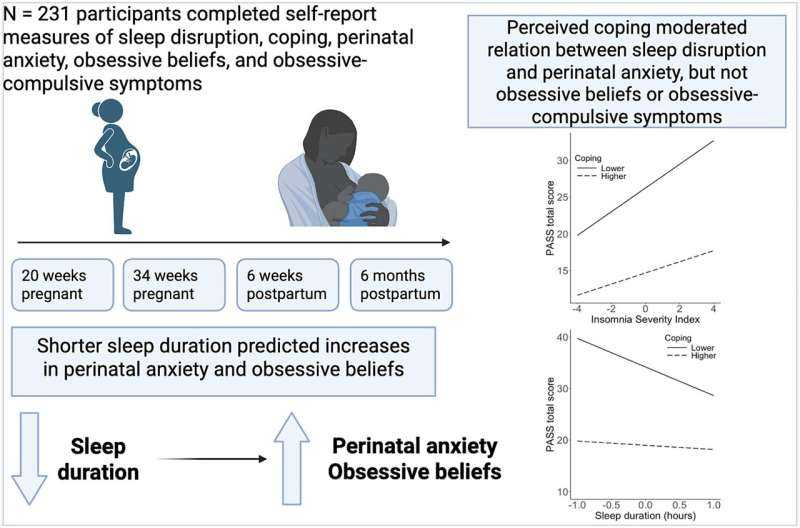
Sleep plays a pivotal role in managing anxiety during this critical period. According to Dr. Sarah Johnson, a clinical psychologist specializing in maternal mental health, "Quality sleep is essential for emotional regulation and overall well-being." She emphasizes that disruptions in sleep patterns can exacerbate feelings of worry and stress, making it harder for women to cope with the physical and hormonal changes associated with pregnancy.
To mitigate anxiety, healthcare providers recommend establishing a consistent bedtime routine. This includes creating a calming environment, avoiding screens before bed, and engaging in relaxation techniques such as deep breathing or gentle yoga. Additionally, maintaining a regular sleep schedule can help regulate the body's internal clock, leading to better quality rest.
Pregnant women are advised to discuss any sleep concerns with their healthcare providers. "Many women don't realize that poor sleep is linked to increased anxiety," says Dr. Johnson. Health professionals can offer tailored advice and interventions, such as cognitive-behavioral therapy for insomnia (CBT-I), which has been shown to be effective in reducing both anxiety and sleep disturbances.
Moreover, addressing underlying factors contributing to anxiety can also improve sleep quality. These may include managing stress from work or relationships, seeking support from friends and family, and engaging in regular physical activity within safe limits recommended by healthcare providers.
In conclusion, prioritizing sleep is a proactive step towards managing anxiety during pregnancy. By fostering healthy sleep habits and seeking professional guidance when needed, expectant mothers can better navigate the challenges of this transformative period.