A Master of Commerce graduate explores how power dynamics impact athletes' mental health in competitive sports, highlighting the need for a balanced approach to success.
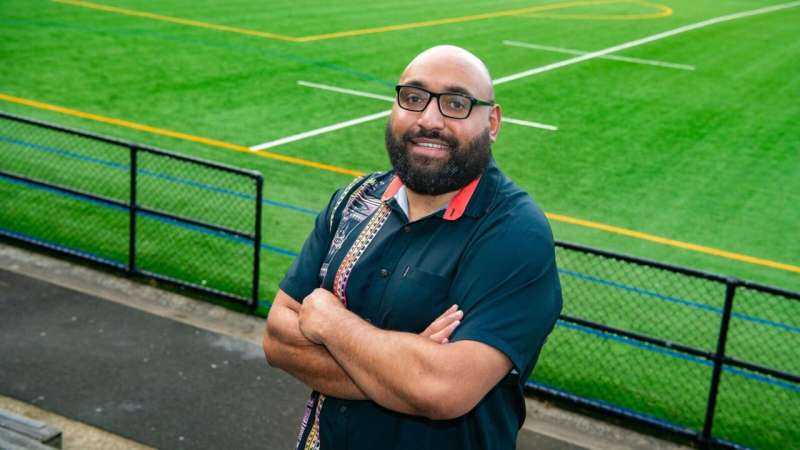
In high-performance sport, where success is often measured by medals and rankings, the human cost of achieving these goals frequently takes a back seat. This tension became the driving force behind Wayne Aquila's research project, which delved into the influence of power on well-being in such environments.
Aquila, who holds a Master of Commerce degree, recognized that while high-performance athletes are pushed to their limits for victory, their mental and emotional health often suffer as a result. His study aimed to understand how power dynamics within these competitive settings affect the overall well-being of athletes.
The research project highlighted several key findings. Firstly, it revealed that excessive pressure from coaches and institutions can lead to burnout among athletes. This stress not only impacts performance but also threatens their long-term health and happiness. Secondly, Aquila found that a lack of support systems for athletes in high-performance environments exacerbates the issue, leaving many feeling isolated and unsupported.
Aquila's work underscores the importance of finding a balance between pushing athletes to excel and ensuring they maintain their well-being. He suggests implementing more comprehensive mental health programs and creating supportive environments where athletes can thrive both on and off the field.
By shedding light on these critical issues, Aquila's research serves as a call to action for sports organizations and institutions to prioritize the holistic development of their athletes. The findings emphasize that true success in high-performance sport is not just about winning but also about nurturing the well-being of those who strive for excellence.