
Mayo Clinic study reveals that one-third of adults have previously unrecognized genetic risks. Learn how to act on these findings and integrate genomic insights into care.
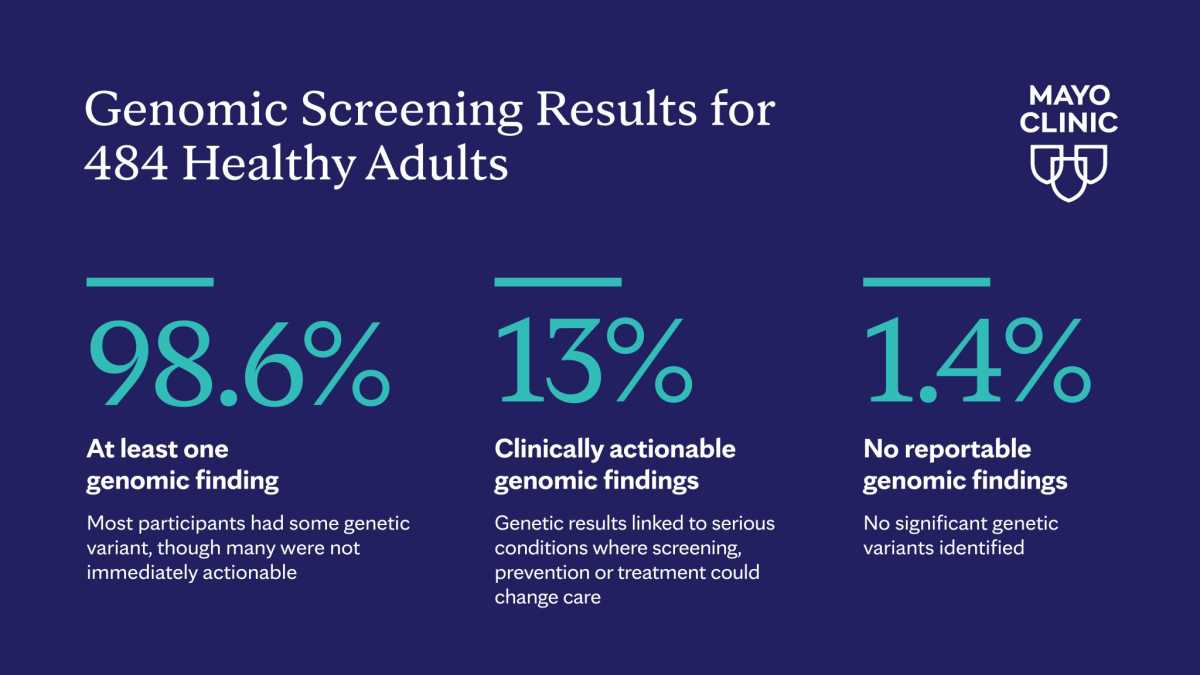
When Mayo Clinic researchers sequenced the genomes of 484 seemingly healthy adults, they discovered that about 13% carried serious, previously unidentified genetic risks—conditions those patients were unaware of and which standard care might miss. This study, published in Genetics in Medicine, also explores what it takes to turn these findings into proper follow-up care.
Nearly all participants had at least one genetic finding, with nearly every case requiring clinical interpretation, documentation, and communication. Genetic counselors played a crucial role by reviewing results, preparing individualized summaries, and guiding patients and care teams through the next steps. "Genetic counselors are often the first people to share this kind of information with patients," says Jessa Bidwell, a certified research genetic counselor.
Among those with actionable findings, most followed through by completing referrals and connecting with primary care specialists. However, fewer than half had documented conversations with primary care professionals after receiving results—a significant challenge in integrating genomic insights into routine care. The study highlights the need for better infrastructure to consistently act on these findings.
Dr. Konstantinos Lazaridis, senior author of the study, emphasizes that while the science exists, building the necessary systems remains a critical task. Mayo Clinic's Precure initiative aims to detect disease earlier by combining genetic data with other biological signals across various organ systems. This approach could help identify early shifts in genes and molecules before symptoms appear.
The GIST: Identifying genetic risks is relatively straightforward, but acting on them requires significant effort. Genetic counselors play a vital role in this process, helping patients navigate the emotional and practical implications of their findings. Mayo Clinic's Precure initiative seeks to address these challenges by integrating genomic insights into routine care more effectively.
Publication details suggest that while predictive genomic screening has scientific merit, it also presents complex systems-level challenges. The study underscores the importance of developing robust infrastructure to ensure that actionable genetic information is integrated seamlessly into healthcare practices.
The Future: As genomic medicine advances, understanding and addressing hidden genetic risks will become increasingly crucial. Mayo Clinic's Precure initiative represents a promising step towards this goal, but much work remains in building comprehensive systems capable of effectively managing these complex health insights.


