A new study reveals a smartwatch app can detect 98% of tonic-clonic seizures in people with epilepsy, offering a promising tool for managing the condition with minimal false alarms.
A recent study has made a significant breakthrough in the management of epilepsy, particularly in the detection of tonic-clonic seizures. These seizures are characterized by major convulsions and can be potentially life-threatening if not properly managed. The study, published in Neurology Open Access, focused on the efficacy of a smartwatch application designed to detect tonic-clonic seizures in individuals with epilepsy.
The results of the study are promising, indicating that the smartwatch application can accurately detect 98% of tonic-clonic seizures. This high level of accuracy is complemented by a low rate of false alarms, which is a common issue with many seizure detection systems. The ability to minimize false alarms is crucial, as it helps to reduce unnecessary stress and anxiety for both the individuals with epilepsy and their caregivers.
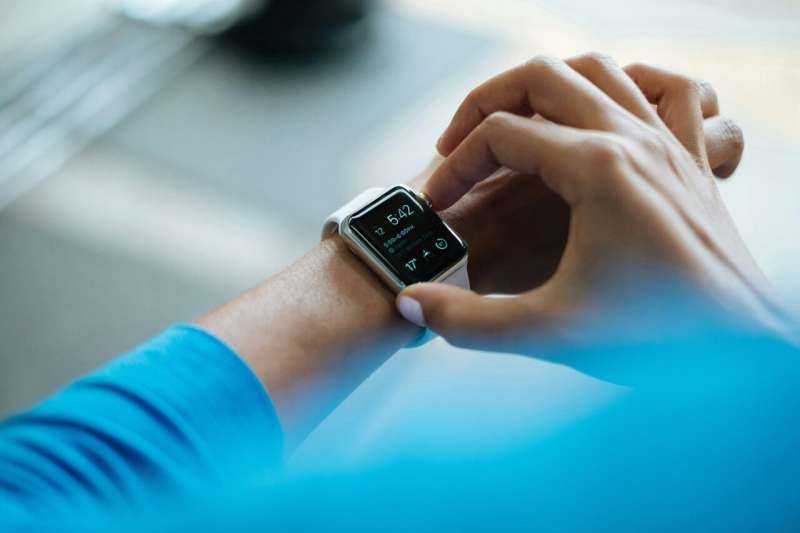
The smartwatch application works by continuously monitoring the wearer's physical movements and detecting patterns that are indicative of a seizure. This real-time monitoring allows for prompt intervention, which can help to prevent injuries and ensure the individual receives the necessary medical attention. The application's high accuracy and low false alarm rate make it a valuable tool for managing epilepsy and improving the quality of life for individuals with the condition.
The study's findings have significant implications for the future of epilepsy management. The use of wearable technology, such as smartwatches, offers a convenient and non-invasive way to monitor seizures and provide timely interventions. As the technology continues to evolve, it is likely that we will see even more advanced seizure detection systems that can provide real-time feedback and support to individuals with epilepsy. This can help to reduce the risks associated with seizures and improve overall health outcomes for those affected by the condition.
In conclusion, the development of a smartwatch application that can accurately detect tonic-clonic seizures with a low rate of false alarms is a significant step forward in the management of epilepsy. The study's findings offer new hope for individuals with epilepsy and their caregivers, providing a promising tool for improving seizure detection and management. As research in this area continues to advance, we can expect to see even more innovative solutions that can help to improve the lives of those affected by this condition.