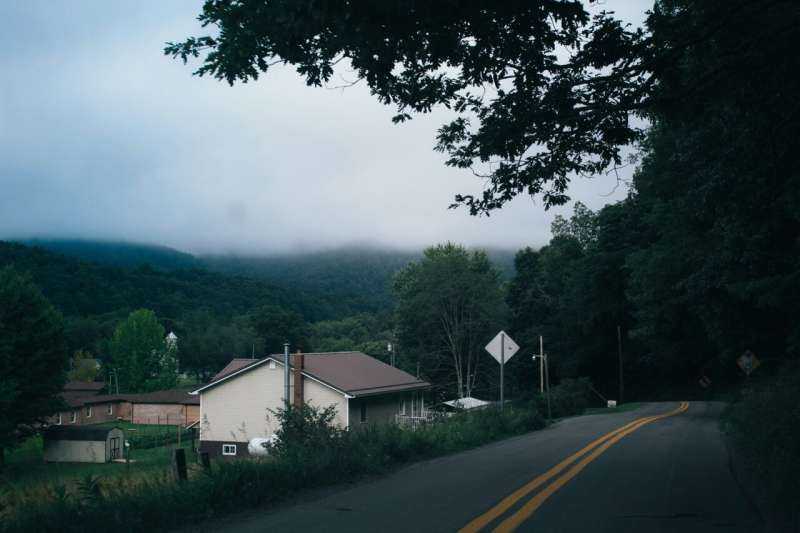
A new study reveals how economic challenges in Appalachian regions contribute to higher rates of sleep disorders among residents.
A recent study highlights the significant link between socioeconomic disparities and sleep disorders in Appalachia, a region known for its resourcefulness despite limited resources. The findings suggest that individuals living in economically challenged areas within this region are more prone to experiencing various sleep issues compared to their counterparts in wealthier communities.
The research underscores how financial constraints can impact daily life, leading to stress, anxiety, and other factors that disrupt normal sleep patterns. In Appalachia, where economic opportunities may be scarce, residents often face additional pressures such as job insecurity, poverty, and limited access to healthcare services. These conditions contribute to a higher prevalence of sleep disorders like insomnia, sleep apnea, and restless leg syndrome.
Furthermore, the study points out that lack of affordable housing in many Appalachian communities exacerbates the problem. Poor-quality or overcrowded living spaces can disrupt sleep through noise, temperature fluctuations, and inadequate privacy, further compounding the issue for those already struggling with economic hardships.
The implications of these findings extend beyond individual health concerns to broader societal impacts. Chronic sleep disorders can lead to decreased productivity, increased healthcare costs, and a general decline in overall quality of life. Addressing this issue requires comprehensive strategies that include improving access to affordable housing, enhancing mental health support services, and ensuring equitable distribution of healthcare resources.
In conclusion, the study emphasizes the urgent need for policymakers and community leaders to prioritize sleep health initiatives in Appalachia. By tackling the root causes of socioeconomic disparities, it is possible to mitigate the prevalence of sleep disorders and improve the well-being of residents in this region.