Senescent cells, which stop dividing in response to stress or damage, have been found to employ a novel mechanism to protect themselves from oxidative stress and a specific form of cell death known as ferroptosis. This discovery, made by researchers at the German Cancer Research Center, sheds light on the complex processes that allow senescent cells to evade cell death and potentially contribute to chronic inflammation and an increased risk of cancer.
When cells undergo senescence, they enter a state of dormancy, ceasing to divide and grow. While this process can serve as a protective mechanism to prevent damaged cells from becoming cancerous, the accumulation of senescent cells in tissues over time can have deleterious effects. Chronic inflammation and an increased risk of cancer are among the potential consequences of senescent cell buildup, highlighting the need to understand the underlying mechanisms that allow these cells to persist.
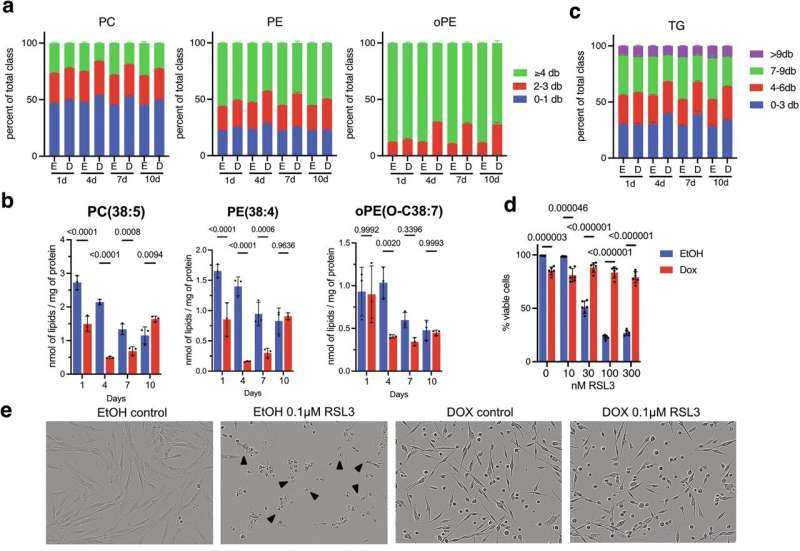
The researchers' findings reveal that senescent cells are able to rewire their fat metabolism to protect themselves from ferroptosis, a form of cell death triggered by an imbalance of fatty acids and other lipids. By altering their metabolic pathways, senescent cells can mitigate the oxidative stress that would normally lead to their demise. This adaptive response enables senescent cells to survive and potentially contribute to the development of chronic diseases.
The discovery of this mechanism has significant implications for our understanding of the complex interplay between senescent cells, inflammation, and cancer. Further research is needed to fully elucidate the role of senescent cells in disease progression and to explore potential therapeutic strategies for targeting these cells. By uncovering the molecular mechanisms that allow senescent cells to evade cell death, researchers may be able to develop novel approaches for preventing or treating chronic diseases associated with senescent cell accumulation.
As research continues to unravel the mysteries of senescent cells, it is becoming increasingly clear that these cells play a critical role in the development of various diseases. The findings of this study contribute to a growing body of evidence highlighting the importance of understanding the complex biology of senescent cells. By shedding light on the mechanisms that allow senescent cells to persist, researchers can work towards developing innovative therapies and interventions aimed at mitigating the negative consequences of senescent cell accumulation and promoting healthy tissue function.