
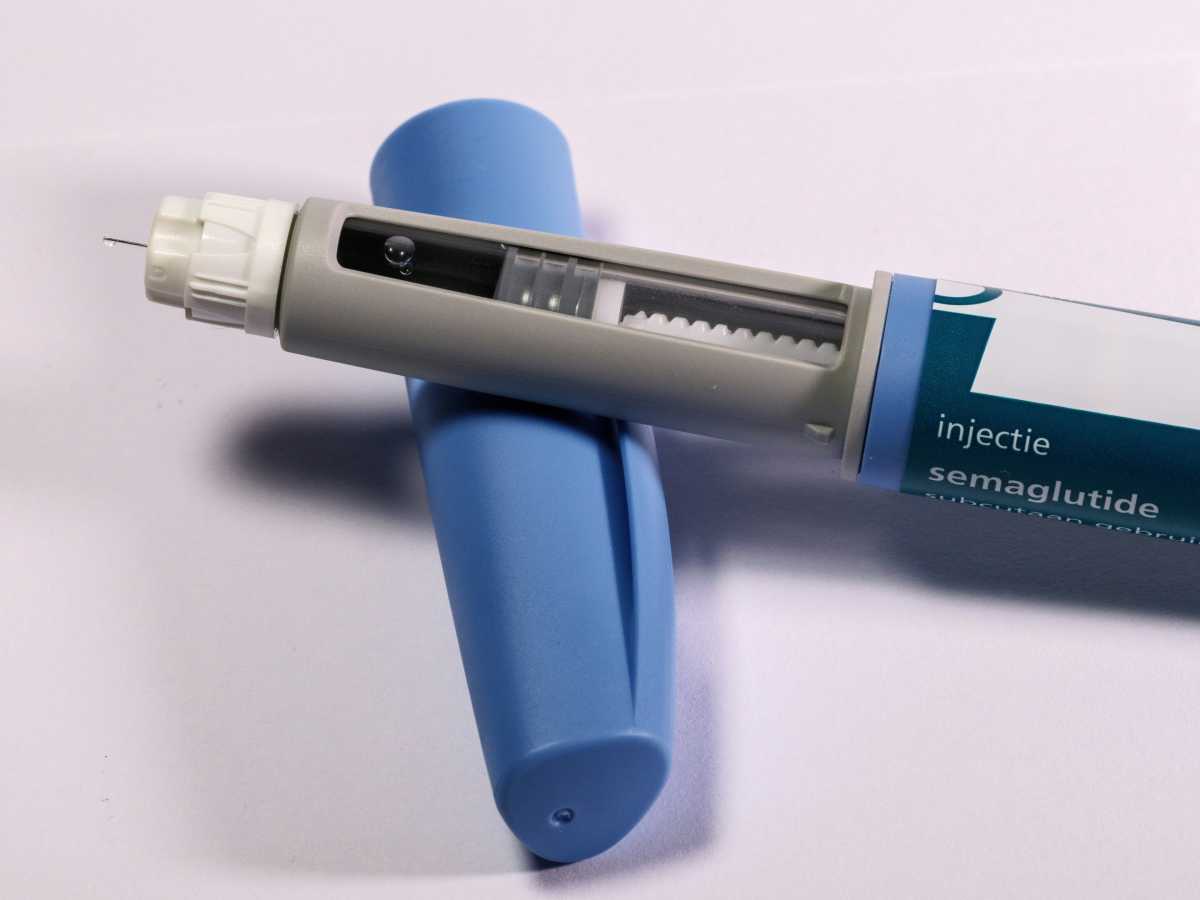
A weekly dose of semaglutide, a medication that mimics naturally produced hormones to lower blood sugar levels and reduce appetite, has led to a clinically significant reduction in body mass index (BMI) among young adults with severe obesity who were treatment-resistant after undergoing hospital-based non-pharmacological care during childhood. This finding was presented at the European Congress on Obesity in Istanbul, Turkey.
The study, conducted by researchers from the University of Copenhagen and Holbæk Hospital in Denmark, highlights the importance of identifying children early who do not respond well to pediatric obesity programs and continue to struggle with severe obesity as adults. The research involved 246 young adults aged an average of 23 years, with a majority being female.
Participants were divided into four groups based on their response to childhood obesity care and current BMI levels: those with low response (BMI ≥30 kg/m²), medium response (BMI ≥30 kg/m²), high response but no obesity as adults (BMI <30 kg/m²), and a population-based reference group of normal weight development in childhood.
The participants were randomly assigned to either weekly injections of semaglutide (2.4 mg) or placebo over 68 weeks. After the trial, those receiving semaglutide experienced an average decrease in BMI of 19%, with significant improvements across various health metrics including total fat mass, abdominal fat, and liver fat.
Specifically: In the low-response group, participants taking semaglutide saw their average BMI drop by 7.3 kg/m² compared to a slight increase of 0.5 kg/m² in those on placebo. The medium-response group also experienced an average decrease in BMI of 6.7 kg/m² with semaglutide versus a 0.6 kg/m² increase in the placebo group.
These improvements were accompanied by substantial reductions in metabolic syndrome severity scores, indicating a significant reduction in risk for cardiovascular disease and type 2 diabetes.
Semaglutide was generally well-tolerated, though gastrointestinal side effects such as nausea and abdominal pain were common. However, these issues did not lead to participants dropping out of the trial.
Joachim Holt from the University of Copenhagen "GLP-1-based treatment could help more young people with severe obesity reduce their burden of obesity-related complications in early adulthood." Professor Signe Sørensen Torekov supporting families to implement increased physical activity and health behaviors remains crucial for all treatments.
The findings suggest that adding semaglutide to existing therapies may be beneficial for managing severe obesity, especially among those who have not responded well to prior non-pharmacological interventions. This approach could potentially improve cardiometabolic health irrespective of the initial response to childhood care.
Future research will likely explore how this treatment can be integrated into broader obesity management strategies and whether it is effective across different age groups and populations.


