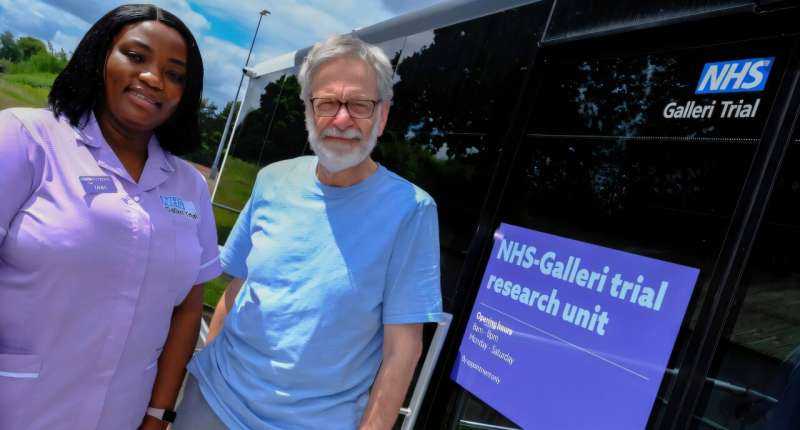
A large-scale NHS trial using the Galleri multi-cancer early detection test shows significant reduction in advanced cancers, enhancing existing screening methods.
A substantial breakthrough has been reported from a major trial conducted by the NHS, which explored the use of the Galleri multi-cancer early detection blood test. The study aimed to determine if this innovative diagnostic tool, when combined with current cancer screening practices, could effectively identify malignancies at an earlier stage. The results indicate that the Galleri test has significantly reduced the incidence of advanced cancers.
The Galleri test works by detecting a "signal" shared among various types of cancer in a blood sample. This non-invasive method can potentially screen for multiple cancers simultaneously, offering a more comprehensive approach to early detection compared to traditional single-cancer screening tests. By identifying these signals, healthcare professionals could intervene earlier, leading to better patient outcomes and potentially saving lives.
The trial involved a large cohort of participants, providing robust data that supports the efficacy of the Galleri test in conjunction with existing NHS protocols. The findings suggest that this multi-cancer blood test can complement current screening methods, thereby improving overall cancer detection rates and reducing the number of advanced cancers diagnosed.
This advancement in early cancer detection could have far-reaching implications for public health. By enabling earlier diagnosis, patients stand a higher chance of successful treatment outcomes, which is crucial given the often more aggressive nature of advanced-stage cancers. The integration of such tests into routine healthcare practices may lead to significant improvements in patient care and survival rates.
The success of this trial paves the way for further research and potential implementation of multi-cancer blood tests across the NHS and other health systems worldwide. As the medical community continues to explore these innovative diagnostic tools, they hold promise for revolutionizing early cancer detection and improving public health outcomes globally.