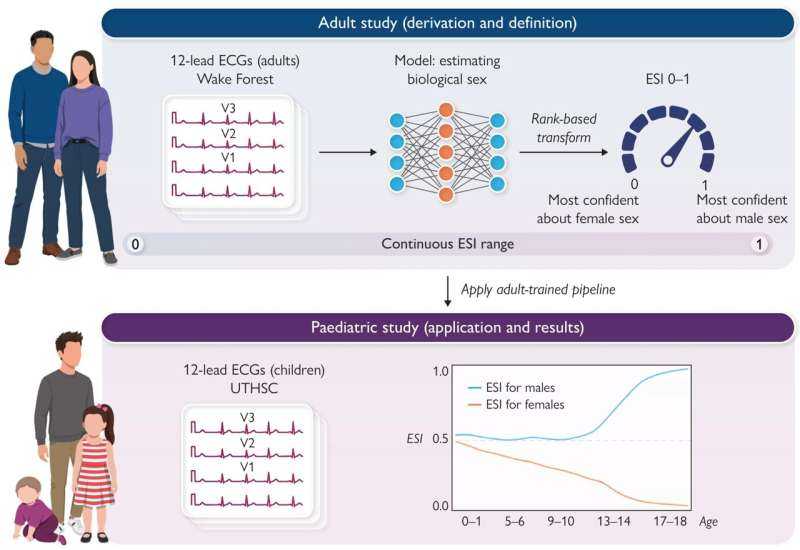
A recent study from Wake Forest University reveals that an electrocardiogram (ECG) can be used to monitor the biological development of children and teens.
A new study conducted at Wake Forest University School of Medicine has uncovered a potential breakthrough in understanding child development. Researchers found that routine heart tests, specifically electrocardiograms (ECGs), could offer valuable insights into how kids grow and mature biologically.
The findings suggest that ECGs can serve as a non-invasive tool to track the developmental stages of children and adolescents. This innovative approach could revolutionize the way pediatricians monitor growth and health in young patients, providing a more comprehensive view of their overall well-being.
By analyzing the electrical activity of the heart through these tests, scientists were able to identify patterns that correlated with various stages of development. These patterns may help healthcare providers better understand the complex processes involved in growing up, from physical maturation to cognitive and emotional growth.
The study's lead author emphasized the significance of this discovery, stating, "ECGs have long been used for diagnosing heart conditions, but our research shows they can also provide a window into the biological changes that occur during childhood and adolescence."
This new method could be particularly useful in longitudinal studies, allowing researchers to follow children over extended periods without requiring invasive procedures. It may also help identify early signs of potential health issues that could impact development.
Future research will focus on refining these methods and exploring how ECG data can complement existing medical assessments for a more holistic approach to pediatric care. As the field continues to evolve, this non-invasive tool could become an essential part of routine check-ups for children and adolescents, offering valuable insights into their growth and development.