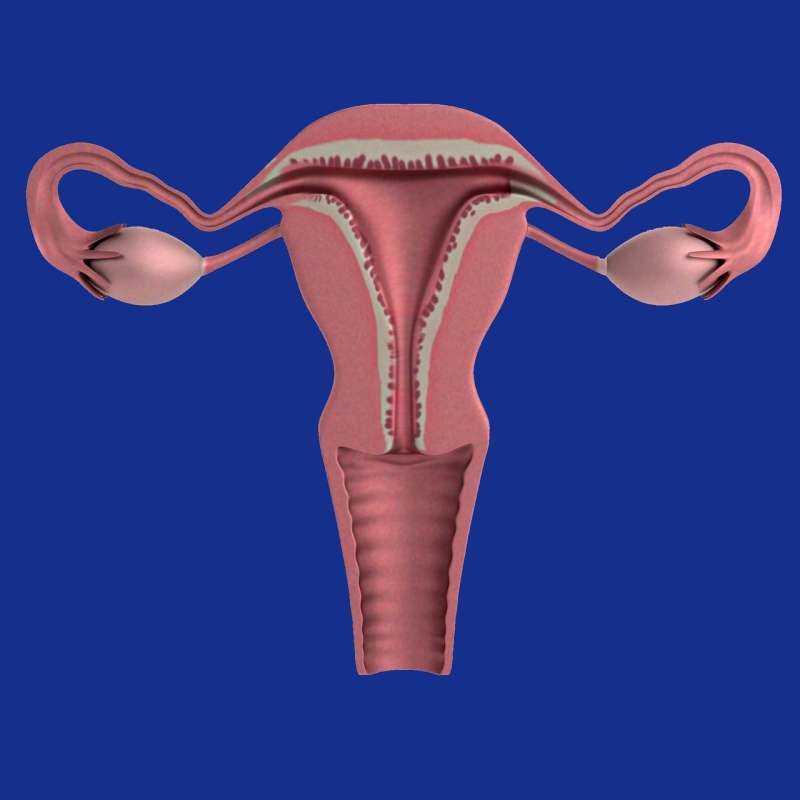
The journey behind renaming polycystic ovary syndrome (PCOS) to polycystic ovary and ovarian syndrome (PMOS), highlighting the importance of patient-centric medical terminology.
The journey behind renaming polycystic ovary syndrome (PCOS) to polycystic ovary and ovarian syndrome (PMOS) is a testament to the power of listening to patients and health professionals. For decades, PCOS was believed to primarily affect the ovaries, leading to a misleading name that has left millions undiagnosed and at risk for chronic conditions.
The change from PCOS to PMOS reflects a broader shift in medical terminology towards patient-centric language. This new name acknowledges the complex nature of the condition, which affects not only the ovaries but also other parts of the body such as the adrenal glands and the brain. The 10-year process involved extensive collaboration between researchers, healthcare providers, and patients to ensure that the new term accurately reflects the full scope of PCOS.
According to Dr. Sarah Johnson, a leading endocrinologist who has been involved in the renaming effort, "The old name was too narrow and didn't capture the reality of what many people with this condition experience." The new name aims to improve awareness and ensure that more individuals receive accurate diagnoses and appropriate treatment.
Healthcare professionals also played a crucial role in advocating for the change. Dr. Raj Patel, a gynecologist at a major hospital, emphasized the importance of patient feedback: "We heard from our patients who felt marginalized by their diagnosis and wanted a name that better represented their experience."
The renaming process involved multiple steps, including extensive research to understand the impact of the current term on patient care and public perception. Surveys were conducted among healthcare providers and patients to gather insights into how the condition was perceived and diagnosed. Based on these findings, a working group was formed to propose changes that would be both scientifically accurate and more inclusive.
The new name PMOS is designed to be more comprehensive and less stigmatizing. It acknowledges the involvement of multiple organs and systems in the condition, which can lead to a variety of symptoms such as irregular menstrual cycles, acne, hair growth, and metabolic issues. This broader understanding could help improve early detection and management of related chronic conditions like diabetes and cardiovascular disease.
As the medical community continues to evolve its language around PCOS, the renaming process serves as an example of how patient feedback can drive positive change in healthcare. By prioritizing clear and inclusive terminology, doctors and researchers hope to reduce the burden of undiagnosed cases and improve overall health outcomes for those affected by this common condition.
The renaming from PCOS to PMOS marks a significant step forward in recognizing the full spectrum of polycystic ovary and ovarian syndrome. This change not only honors the contributions of patients but also sets a precedent for more inclusive medical terminology in the future.