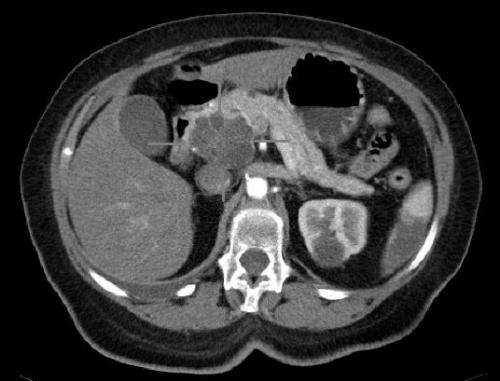
A new drug, daraxonrasib, shows promising results in extending survival for those with advanced pancreatic cancer, doubling median overall survival compared to chemotherapy.
A groundbreaking clinical trial has revealed that a new RAS(ON) inhibitor, daraxonrasib, significantly improves the prognosis of patients suffering from metastatic pancreatic cancer. The pivotal randomized Phase III RASolute 302 trial demonstrated that this innovative treatment more than doubles the median overall survival for these patients compared to traditional chemotherapy.
The study involved a large cohort of participants who had already undergone first-line therapy and were now receiving second-line treatment. The results indicate that daraxonrasib not only prolongs life but also offers a new hope for those facing one of the most challenging forms of cancer. This advancement could potentially change the standard of care in pancreatic oncology, providing a more effective alternative to current treatments.
The positive outcomes from this trial have sparked renewed interest and optimism among medical professionals and patients alike. The findings suggest that targeted therapies like daraxonrasib can address specific genetic mutations found in pancreatic tumors, leading to better patient outcomes. This targeted approach contrasts with the broader but less effective effects of chemotherapy, which often causes significant side effects without significantly extending survival.
As further research continues, experts are hopeful that these results will pave the way for more personalized treatment strategies tailored to individual patients' genetic profiles. The potential impact on improving quality of life and overall survival rates for pancreatic cancer patients is substantial, making daraxonrasib a promising breakthrough in oncology.