
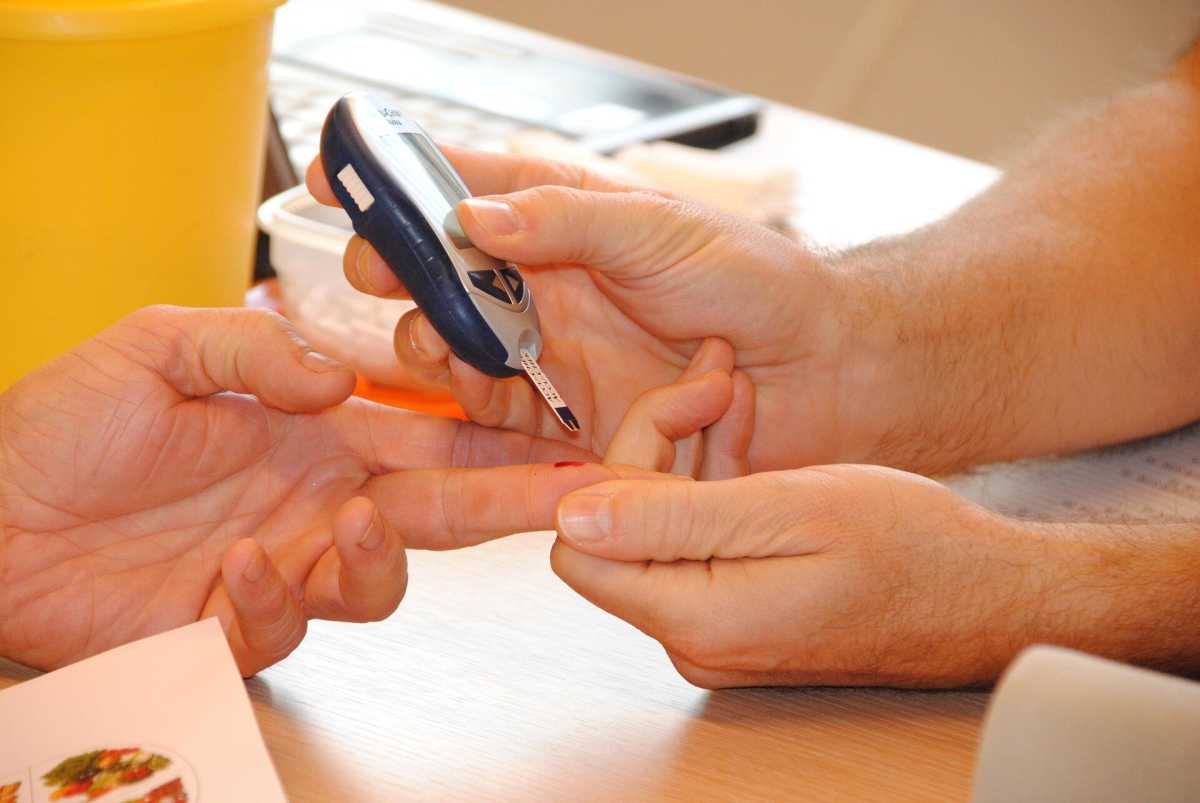
Rapid health tests are proving to be more than just a faster way to receive medical results. According to a study published in BMC Public Health, these on-the-spot tests can enhance patients' understanding of their health condition and boost their confidence in self-managing chronic diseases such as diabetes and heart disease. The research, led by Flinders University, analyzed 13 studies from around the world involving more than 21,000 people.
Point-of-care testing (POCT) involves pathology tests performed at or near where care is delivered, allowing patients to receive immediate results during their appointment. This direct access to health information can significantly impact how individuals engage with and act on their medical data. Lead author Dr. Kelcie Miller from Flinders University's College of Medicine and Public Health explains that the immediacy and context provided by POCT help turn test results into actionable knowledge.
The studies reviewed in this systematic review found that people who used point-of-care testing reported better understanding of their condition, increased confidence in self-management, and greater motivation to improve diet or physical activity. Some participants also experienced reduced anxiety and improved quality of life, particularly when tests were used regularly for long-term conditions like diabetes or blood clotting disorders.
Dr. Miller notes that the findings show a clear link between POCT and patient action. Several studies demonstrated better medication adherence and improvements in key clinical markers among people with diabetes, such as lower long-term blood sugar levels. These small but significant changes can lead to substantial reductions in serious complications like heart disease, kidney failure, and vision loss.
The review also highlighted the benefits for parents of children with diabetes. Immediate access to test results allowed them to feel more confident managing their child's condition. Similarly, community health fairs have shown that POCT can prompt people to consider healthier lifestyle choices they might not otherwise make.
Matthew Flinders Professor Mark Shephard, Founding Director of FHMRI’s International Center for Point-of-Care Testing, emphasizes the broader value of bringing testing closer to patients. "Point-of-care testing delivers information in a way that is immediate and meaningful," he says. "It supports conversations, builds confidence, and helps people connect everyday choices with long-term health outcomes."
While further research is needed to understand how these tools can be used equitably at scale, especially in communities where access to traditional laboratory testing is limited, the findings suggest that POCT has a significant role to play in empowering patients and improving long-term care outcomes.
As health systems worldwide face rising rates of chronic disease, this review provides timely evidence that bringing testing closer to people may lead to more patient-centered approaches.


