A new PET imaging technique highlights how bariatric surgery affects multiple organs, offering insights for personalized metabolic care.
A groundbreaking study presented at the Society of Nuclear Medicine and Molecular Imaging 2026 Annual Meeting has shown that bariatric surgery not only impacts body weight but also significantly alters the metabolic function of various organs. This novel PET imaging framework provides a comprehensive view of these changes, which could revolutionize treatment monitoring and personalized care.
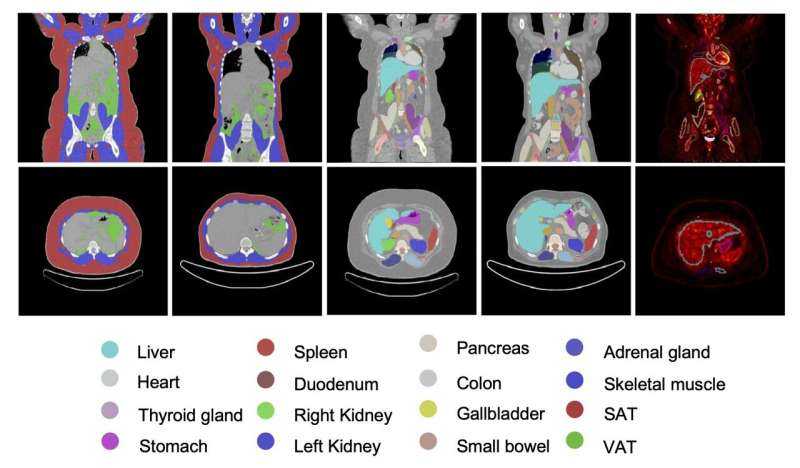
Traditionally, bariatric surgery focuses on reducing body weight to improve health outcomes in patients with severe obesity. However, this research suggests that the benefits extend beyond just weight loss. By using positron emission tomography (PET) imaging, researchers were able to track metabolic changes at an organ level, providing a more nuanced understanding of how these surgical interventions affect different parts of the body.
The findings indicate that bariatric surgery can lead to improved metabolic function in organs such as the liver and pancreas. These insights are crucial for healthcare providers as they monitor patient recovery and tailor treatment plans accordingly. For instance, personalized dietary recommendations or additional medical interventions could be more effectively targeted based on these organ-specific responses.
This PET imaging approach offers a non-invasive method to assess the complex metabolic changes that occur post-surgery. It allows clinicians to identify which organs are most affected by the surgery and how they respond over time. This information can help in making informed decisions about patient care, potentially leading to better health outcomes and more efficient treatments.
The implications of this research are significant for both patients and healthcare providers. By understanding these whole-body metabolic changes through PET imaging, doctors can provide more precise and personalized care, ensuring that each patient receives the most appropriate treatment based on their unique physiological responses to bariatric surgery.