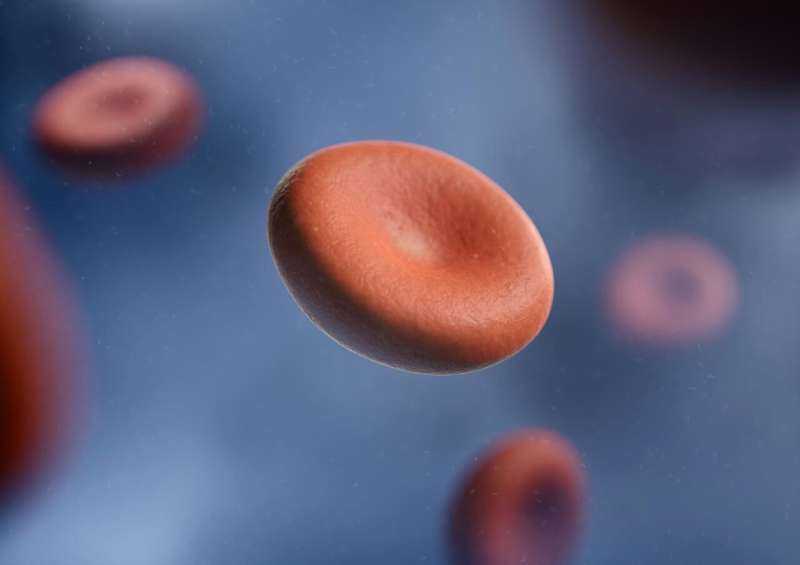
A groundbreaking gene editing therapy has been administered to patients in London, resulting in a significant reduction in "bad" cholesterol levels after just one treatment. This innovative approach, which involves a single infusion, has shown tremendous promise in the fight against high cholesterol. As part of a comprehensive study, scientists from University College London have been working tirelessly to develop this pioneering treatment.
The study's findings are nothing short of remarkable, with some patients experiencing a decrease in bad cholesterol levels of up to 62 percent. This is a major breakthrough, as high levels of bad cholesterol can lead to an increased risk of heart disease and other cardiovascular conditions. By targeting the root cause of the problem, this gene editing therapy has the potential to revolutionize the way we treat high cholesterol.
The fact that this treatment only requires a single infusion makes it even more appealing, as it eliminates the need for ongoing medication or repeated procedures. This could have a significant impact on the quality of life for patients, who would no longer have to worry about managing their condition on a daily basis. Furthermore, the potential for this therapy to be used in conjunction with other treatments is vast, and scientists are eager to explore its full range of applications.
As researchers continue to refine and improve this gene editing therapy, the possibilities for its use in treating a range of conditions become increasingly exciting. With its potential to lower bad cholesterol levels and reduce the risk of heart disease, this treatment could have a major impact on public health. The collaboration between scientists and medical professionals has been instrumental in bringing this innovative therapy to the forefront, and their continued work will be crucial in shaping its future development.