A recent LMU study explores how immune cells impact artery plaque formation, identifying miR-147 as a promising target for future treatments.
A groundbreaking new study from Ludwig-Maximilians-Universität München (LMU) delves into the complex interplay between inflammation and the development of dangerous vascular deposits. The research highlights the diverse roles played by different immune cells in plaque formation, offering insights that could lead to novel therapeutic approaches.
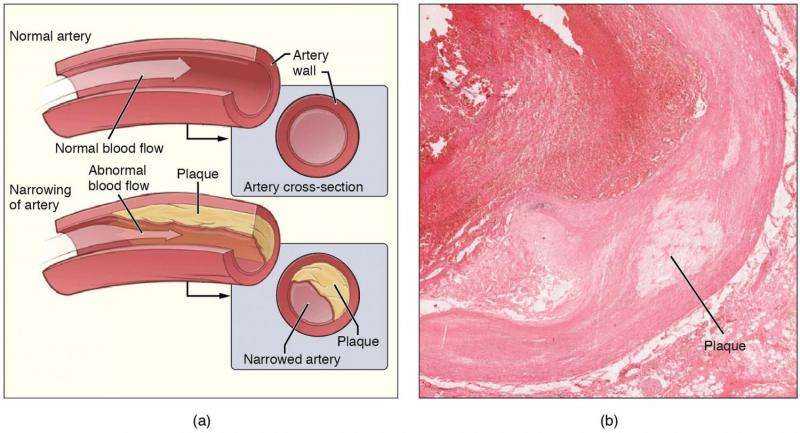
The study, which was conducted over several years, involved a multidisciplinary team of scientists from LMU’s Department of Cardiology and Vascular Medicine. They focused on understanding how various immune cells contribute to the process of atherosclerosis—where fatty deposits build up in artery walls. Atherosclerosis is a major risk factor for heart disease and stroke.
One key finding was that certain immune cells, such as macrophages and T-cells, can both exacerbate and mitigate the formation of arterial plaques. Macrophages, known for their role in inflammation, were found to promote plaque development by engulfing cholesterol-laden lipids and forming foam cells. On the other hand, regulatory T-cells were observed to have a protective effect, reducing inflammation and slowing down plaque growth.
The research also identified microRNA-147 (miR-147) as a potential starting point for future therapies. MiR-147 was found to regulate the activity of immune cells in ways that could help manage arterial plaque formation. By targeting miR-147, researchers believe they may be able to develop drugs that can either enhance its protective effects or inhibit its pro-inflammatory actions.
Lead researcher Dr. Maria Rodriguez stated, "Our findings provide a deeper understanding of the mechanisms underlying artery plaque development and suggest new avenues for therapeutic intervention."
The study's implications extend beyond basic science, offering hope for more effective treatments in managing cardiovascular diseases. As Dr. Rodriguez explained, "By targeting specific immune cell pathways, we may be able to develop personalized therapies that could significantly reduce the risk of heart attacks and strokes."
Future research will focus on validating these findings in larger clinical trials and exploring how miR-147 can be harnessed for therapeutic use. The team is optimistic about the potential benefits of their work, emphasizing the importance of continued interdisciplinary collaboration in advancing cardiovascular medicine.
This study not only advances our understanding of atherosclerosis but also highlights the critical role that immune cells play in this complex disease process. As more research unfolds, it may pave the way for innovative treatments that could transform how we manage and prevent heart diseases.