
A new ACL surgery technique combining biologic augmentation and internal stabilization has shown promising outcomes with over 90% of patients returning to pre-injury activity levels.
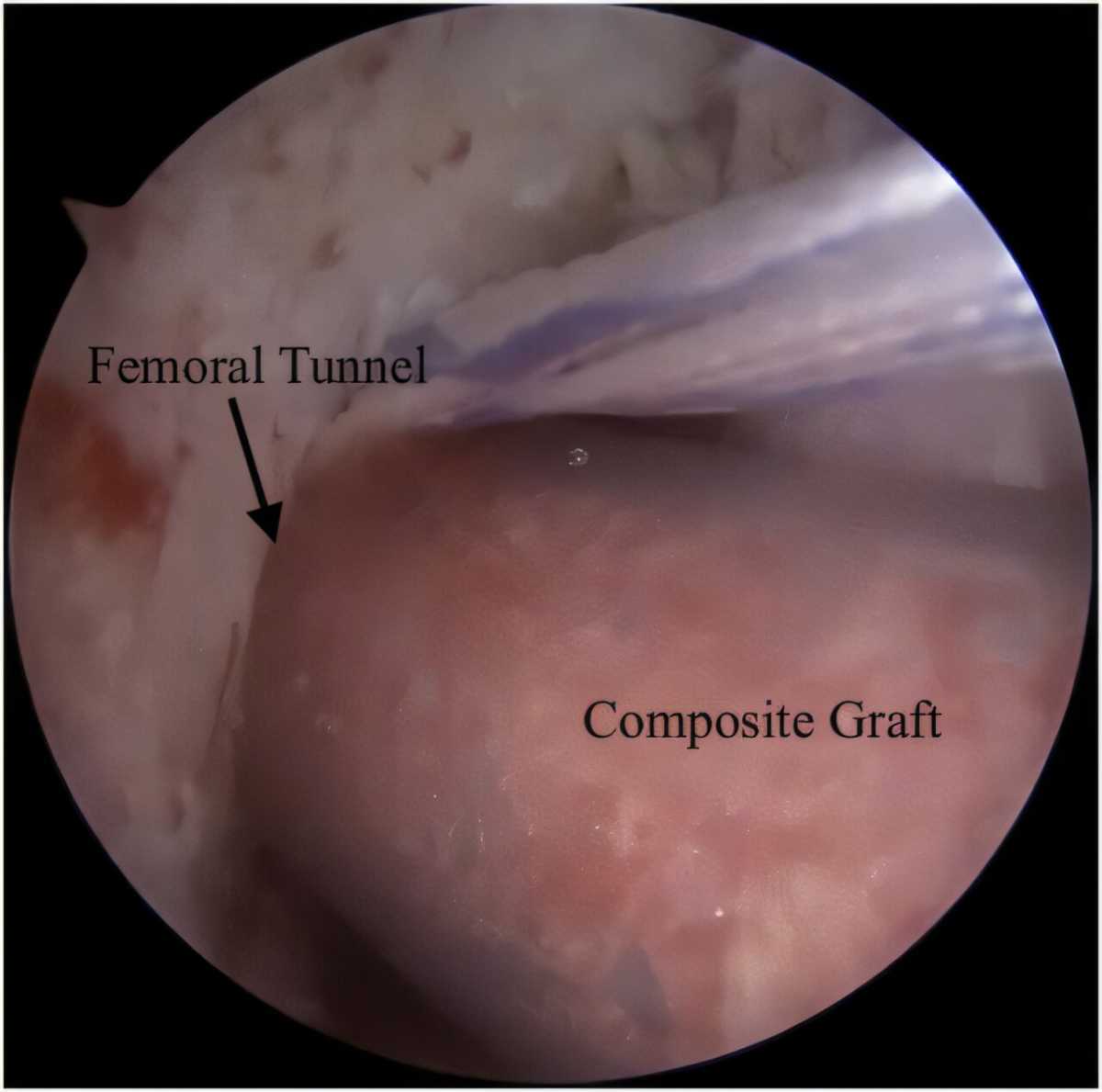
A recent study from orthopedic specialists at Marshall Health Network and the Marshall University Joan C. Edwards School of Medicine highlights a promising approach for anterior cruciate ligament (ACL) reconstruction that enhances patient recovery rates. The research, published in Arthroscopy, Sports Medicine, and Rehabilitation, evaluated outcomes following ACL reconstruction using an advanced technique that incorporates biologic materials such as bone marrow aspirate concentrate (BMAC), demineralized bone matrix, and suture tape augmentation.
The study involved patients who completed at least two years of follow-up post-surgery. Patients were primarily young and active, with an average age of 19.4 years. The findings demonstrated that more than 91% of patients returned to their pre-injury activity levels, showcasing strong functional outcomes across validated knee assessment measures.
At an average follow-up of 3.4 years, the procedure showed a low graft rerupture rate of just 3.1%, with all patients cleared to return to full activity within six months following surgery. Dr. Chad D. Lavender, M.D., orthopedic surgeon at Marshall Health Network and senior author on the study, emphasized that this approach supports the evolving field of ACL reconstruction by combining sound surgical techniques with biologic and structural augmentation.
Dr. Lavender presented his work to the International ACL Study Group in Brazil earlier this year. He enhancing the body's natural healing response and providing additional internal support during recovery led to encouraging outcomes that translate into meaningful, real-world function for patients.
The technique involves using the patient’s own quadriceps tendon to reconstruct the ligament while incorporating biologic materials to support healing and suture tape augmentation for enhanced stability. This study builds upon a growing body of research exploring how biologic augmentation and advanced fixation strategies can improve healing outcomes and reduce the risk of reinjury following ACL reconstruction.
ACL injuries are among the most common ligament injuries in athletes and active individuals, often requiring surgical reconstruction to restore knee stability and function. The findings from this study suggest that combining sound surgical techniques with biologic materials could lead to better patient outcomes and faster return to activity levels.
Dr. Lavender's approach not only focuses on enhancing healing but also provides early internal support during recovery, which is crucial for patients who are active and require a quick return to their pre-injury activities. The study’s results indicate that this technique may offer an effective solution for ACL reconstruction, particularly among young and active individuals.
As research continues to evolve in the field of orthopedics, techniques like these hold promise for improving patient outcomes and enhancing recovery rates following ACL injuries.


