Southwest Research Institute assesses NASA’s current medication storage methods, revealing faster degradation of drugs when kept in resealable plastic bags.
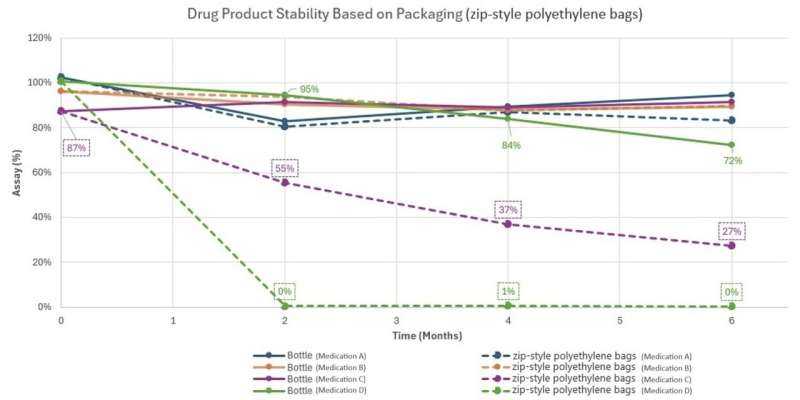
NASA's long-standing practice of storing medications by removing them from their original packaging and placing them in resealable plastic bags has been put under the microscope. According to a recent evaluation conducted by Southwest Research Institute (SwRI), this method may not be as effective as previously thought.
The current protocol aims to optimize stowage space for astronauts during space missions, but SwRI's findings suggest that active pharmaceutical ingredients degrade more rapidly when stored in these bags. This revelation could have significant implications for the health and safety of crew members on extended spaceflights.
SwRI’s investigation delved into the storage practices used by NASA, which have been in place to save valuable stowage space. However, the study highlighted that maintaining medications in their original packaging can help preserve their integrity and efficacy over time. The degradation process, when accelerated due to improper storage, could compromise the effectiveness of critical medical supplies.
These findings underscore the need for NASA to reconsider its current medication handling procedures. Ensuring that astronauts have access to fully functional medical treatments is paramount, especially during long-duration missions where medical resources are limited. Future protocols may involve returning to original packaging or exploring alternative storage solutions that balance space optimization with drug preservation.
In conclusion, while NASA’s current practices aim to maximize efficiency in spaceflight, the potential risks highlighted by SwRI's evaluation suggest a reevaluation of these procedures is necessary to safeguard astronaut health and mission success.