
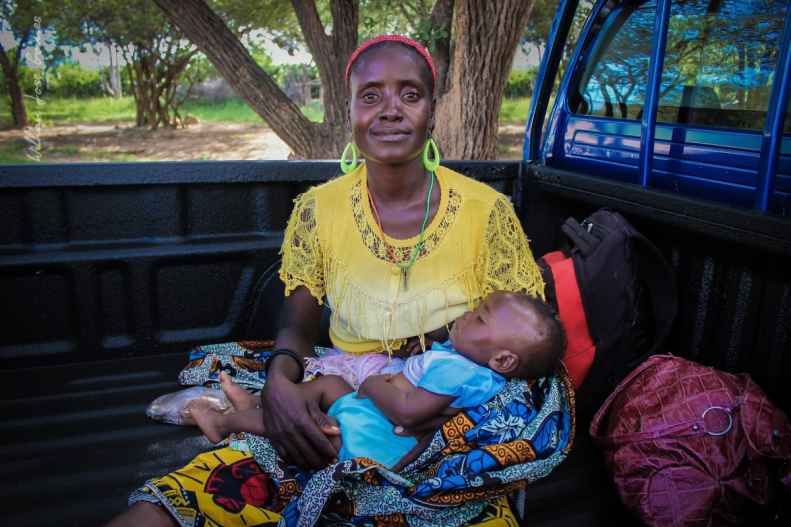
Study by Wits University finds over 80% of neonatal deaths caused by infections are preventable with improved care. Key pathogens include Acinetobacter baumannii and Group B Streptococcus.
A study published in The Lancet Infectious Diseases Journal has identified that the vast majority of neonatal deaths linked to infections in South Africa and other low-and-middle-income countries could be prevented through better clinical care and targeted medical interventions. Conducted by the Child Health and Mortality Prevention Surveillance (CHAMPS) network, the research utilized innovative post-mortem techniques to accurately identify causes of death in resource-limited settings.
More than 2,600 neonatal deaths were analyzed using minimally invasive tissue sampling (MITS). The study revealed that infections are responsible for 44% of neonatal deaths across multiple sites in Africa and South Asia. Crucially, an expert panel determined that over 80% of these infection-related deaths could be prevented under current or improved facility-based conditions.
Key findings for South Africa include: Acinetobacter baumannii was the overwhelming driver of hospital-acquired infections, contributing to 74.3% of presumed hospital-acquired neonatal deaths. Group B Streptococcus (GBS) was identified as the leading cause of community-acquired neonatal deaths in South Africa, accounting for 30.6% of such cases, followed by Escherichia coli at 24.7%.
The study also highlighted emerging fungal risks, with Candida auris and Nakaseomyces glabratus being reported in South Africa as life-threatening pathogens.
Preventability: Improvements in infection prevention and control (50.8%) Clinical care (50.7%) Antenatal and obstetric care (42.2%)
Prof. Shabir A. Madhi, Director of the South African Medical Research Council Vaccines and Infectious Diseases Analytics Research (Wits VIDA) Unit and lead author of the study, emphasized that current empirical antibiotic treatments may be insufficient in high-burden settings where antimicrobial resistance is rising.
"These findings indicate an urgent need to review empirical antibiotic treatment for neonatal infections," Madhi said. "The high prevalence of multidrug-resistant pathogens like K. pneumoniae and A. baumannii suggests our current standard protocols may no longer be sufficient."
Nearly half of all deaths in children under five occur during the neonatal period, with Africa and South Asia bearing the highest burden. Within the Soweto and Thembelihle surveillance population, the neonatal mortality rate is estimated at 16.0 deaths per 1,000 live births, significantly higher than both South Africa's national estimate of 10 per 1,000 and the Sustainable Development Goal (SDG) target of 12 per 1,000 live births.
These findings highlight persistent inequalities in maternal and child health outcomes. The study underscores the need for targeted interventions such as prioritizing new maternal vaccines and strengthening hospital infection control measures.
The CHAMPS consortium collaborates with local communities to raise awareness about prevention strategies, emphasizing early antenatal care booking and consistent attendance. By focusing on modifiable factors like obstetric care, the initiative aims to improve neonatal outcomes and reduce the number of babies born "too soon or too small," addressing preterm birth complications that frequently underlie neonatal deaths.
Publication details: Muntasir Alam et al., Post-mortem characterisation of pathogen-specific causes of infection-related deaths in African and South Asian neonates: a prospective, observational, multicentre study, The Lancet Infectious Diseases (2026). DOI: 10.1016/s1473-3099(26)00136-2
Key medical concepts: Acinetobacter baumannii Streptococcus agalactiae Candida auris
Clinical categories: Pediatrics Infectious diseases Children's health Common illnesses & Prevention


