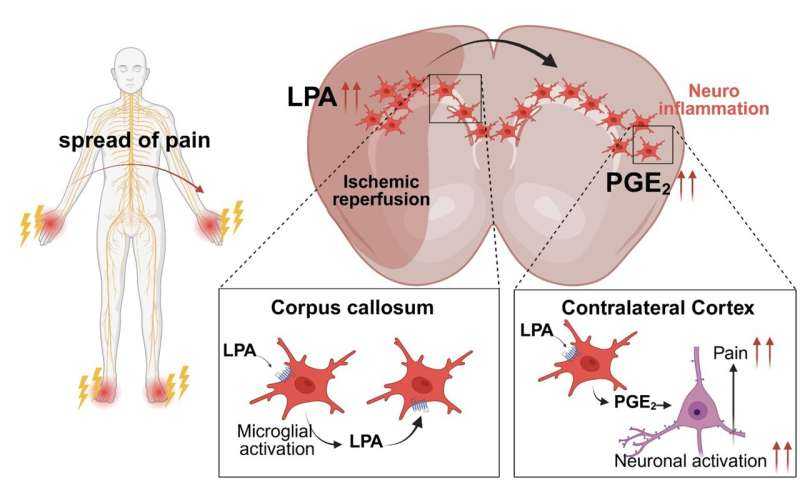
Explore how stroke-induced inflammation can cause mirror-image pain on both sides of the body, highlighting new insights into this rare phenomenon.
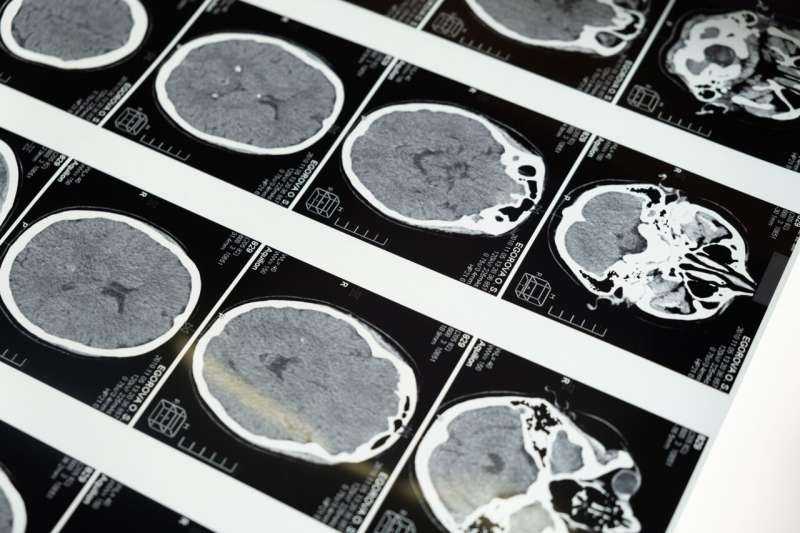
A stroke is a devastating condition that disrupts proper brain function. After a stroke, many patients will typically experience pain in the limbs on the side of their bodies opposite to the brain lesion. In rare cases, however, pain also develops on the same side as the lesion, spreading bilaterally in a mirror-like manner. This phenomenon, known as bilateral pain or mirror-image pain, is a complex and often misunderstood aspect of post-stroke recovery.
Research has suggested that this unusual pain pattern may arise due to inflammation driven by lipopolysaccharide (LPA) crossing the corpus callosum, which connects the left and right hemispheres of the brain. The corpus callosum acts as a bridge for communication between the two halves, but in cases where inflammation crosses this structure, it can lead to pain signals being misinterpreted or duplicated on both sides.
This bilateral pain is not only distressing for patients but also presents significant challenges for medical professionals in terms of diagnosis and treatment. Understanding the underlying mechanisms could pave the way for more effective therapies targeting LPA-driven inflammation to alleviate such symptoms.
By delving into the intricate processes involved, researchers hope to provide new avenues for managing post-stroke pain and improving patient outcomes.