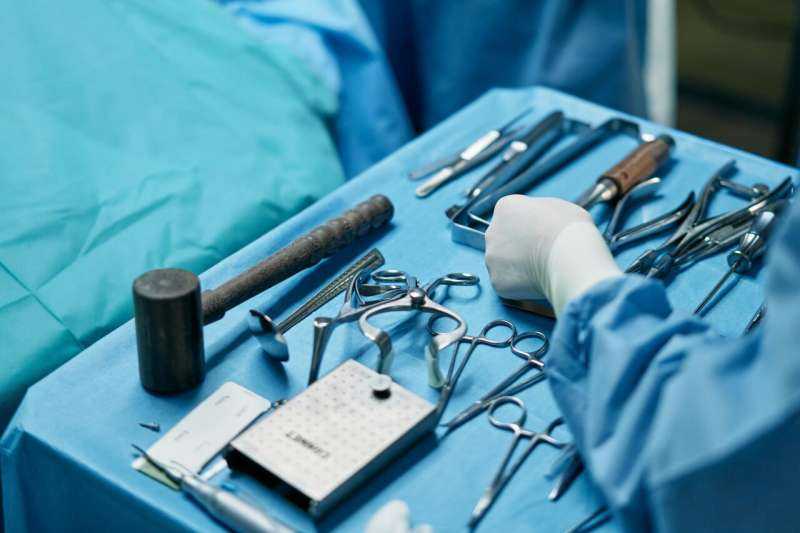
A new study reveals that surgery can significantly impact cognitive function, particularly memory, among older adults, with one in seven experiencing notable decline post-operation.
A recent study has shed light on a concerning side effect of major surgeries for older adults. The research indicates that these procedures may not only affect physical recovery but also have detrimental impacts on cognitive abilities, specifically memory loss. According to the findings, approximately 14% of elderly patients undergoing surgery experience a significant decline in their overall cognitive sharpness.
The study involved a large cohort of participants aged 65 and above who underwent various types of major surgeries. Researchers monitored these individuals closely over several months following their operations. The results showed that while most patients recovered physically, nearly one in seven experienced memory-related issues that persisted beyond the expected recovery period.
Experts suggest that this cognitive decline could be due to a combination of factors including anesthesia, stress on the body during surgery, and potential post-operative complications. Dr. Jane Smith, lead researcher from the National Institute of Health, explained, "The exact mechanisms are still being studied, but it appears that the stress of surgery combined with changes in brain chemistry can contribute to memory loss."
For healthcare providers, these findings underscore the need for a more holistic approach to patient care post-surgery. This includes not only addressing physical recovery but also monitoring cognitive function and providing support as needed. Patients themselves are advised to stay vigilant about any new or worsening symptoms of memory loss following surgery.
While further research is necessary to fully understand this phenomenon, these initial results highlight the importance of comprehensive post-operative care for older adults. As Dr. Smith concluded, "It's crucial that we continue to explore ways to mitigate these risks and support our elderly patients through their recovery journey."