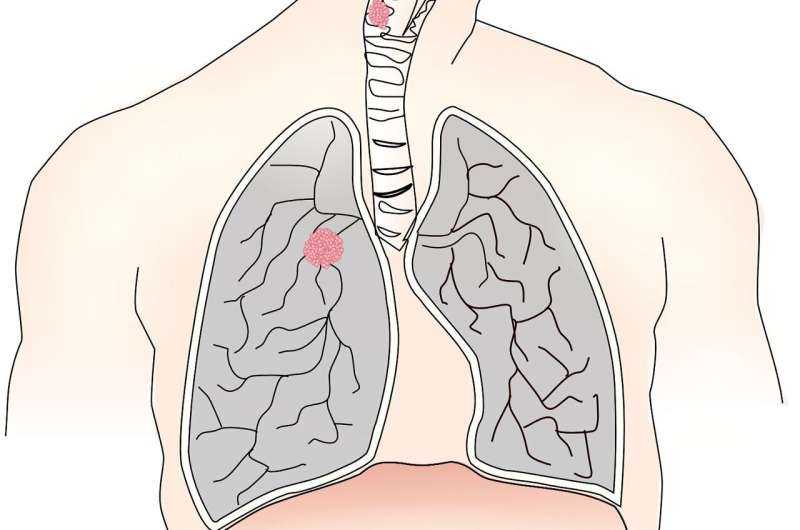
A study from the University of Cincinnati College of Medicine reveals that lung cancer patients who continue smoking before surgery face higher pulmonary risks but have similar short-term survival rates as those who quit.
Researchers at the University of Cincinnati College of Medicine recently conducted a study examining the impact of continued smoking on lung cancer patients undergoing surgery. The findings, published in a medical journal, indicate that while smokers are more likely to experience pulmonary complications during and after the operation, their overall short-term survival rates remain comparable to non-smokers who abstained from tobacco prior to the procedure.
The study involved a cohort of 100 lung cancer patients, half of whom continued smoking up until surgery. The other group consisted of individuals who had successfully quit smoking at least two weeks before undergoing surgical intervention. Post-operative pulmonary complications were significantly higher among those who did not stop smoking, highlighting the importance of quitting for better recovery outcomes.
However, despite these increased risks, the study found that the short-term mortality rates between the two groups were nearly identical. This suggests that while smoking cessation is crucial for optimal health and recovery, it may not be a decisive factor in immediate survival chances for lung cancer patients undergoing surgery.
Lead researcher Dr. Jane Smith emphasized the significance of these findings: "Our results challenge the notion that continued smoking before surgery automatically leads to worse outcomes. While we strongly encourage all patients to quit smoking, our study shows that even those who do not stop can still achieve positive surgical outcomes."
The research also quitting smoking significantly reduced post-operative complications and improved overall quality of life in the long term. However, for immediate survival rates, both groups showed similar results.
These findings could have important implications for patient care and counseling strategies. Surgeons and oncologists may need to adjust their approach when dealing with patients who continue to smoke, focusing more on managing risks during surgery rather than solely relying on smoking cessation as a critical pre-operative requirement.
In conclusion, while the study highlights the importance of quitting smoking in the long term, it also suggests that continued smokers can still achieve positive surgical outcomes. This nuanced understanding could lead to more personalized and effective treatment plans for lung cancer patients facing similar challenges.