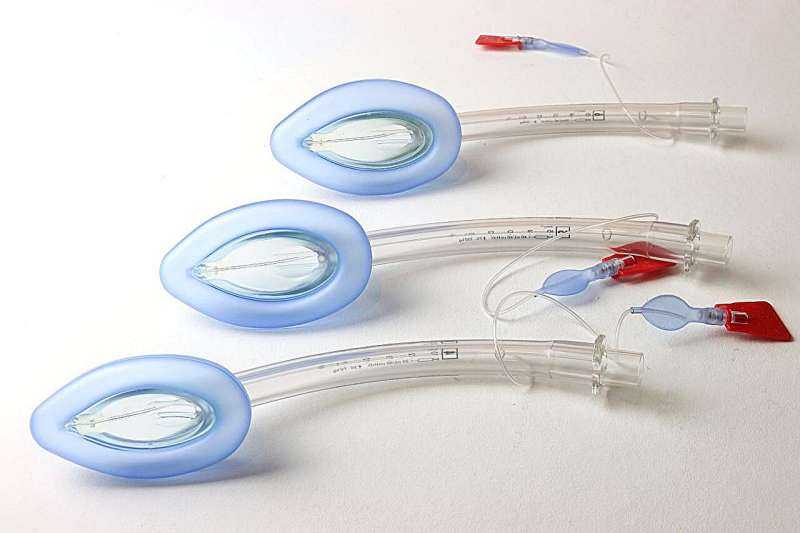
A recent review confirms the safety of laryngeal masks for pediatric adenotonsillectomies, offering a viable alternative to tracheal tube intubation for children with obstructive sleep apnea.
The use of a laryngeal mask has been found to be a safe and effective alternative to tracheal tube intubation for pediatric patients undergoing adenotonsillectomies, particularly those with obstructive sleep apnea. This discovery is based on a comprehensive review published in a reputable medical journal, which analyzed the outcomes of various anesthesia techniques used in such surgical procedures.
The review highlights the potential benefits of using a laryngeal mask in pediatric adenotonsillectomies, including reduced risk of complications associated with tracheal tube intubation. For children with obstructive sleep apnea, the laryngeal mask has been shown to provide a stable and secure airway, allowing for safe and successful surgery.
One of the key advantages of the laryngeal mask is its ability to minimize the risk of respiratory complications, which are common in pediatric patients with obstructive sleep apnea. By providing a secure airway without the need for tracheal intubation, the laryngeal mask can help reduce the risk of respiratory problems and promote smoother recovery.
The findings of the review are significant, as they provide valuable insights into the safety and efficacy of laryngeal masks in pediatric adenotonsillectomies. The results of the study can help inform anesthesia and surgical practices, ultimately leading to improved outcomes for children undergoing these procedures. As the medical community continues to explore alternative anesthesia techniques, the laryngeal mask is likely to play an increasingly important role in the management of pediatric patients with obstructive sleep apnea.
The use of laryngeal masks in pediatric adenotonsillectomies is a promising development, offering a safe and effective alternative to traditional tracheal tube intubation. As research continues to uncover the benefits and advantages of this approach, it is likely that the laryngeal mask will become a more widely accepted and utilized technique in the field of pediatric anesthesia.