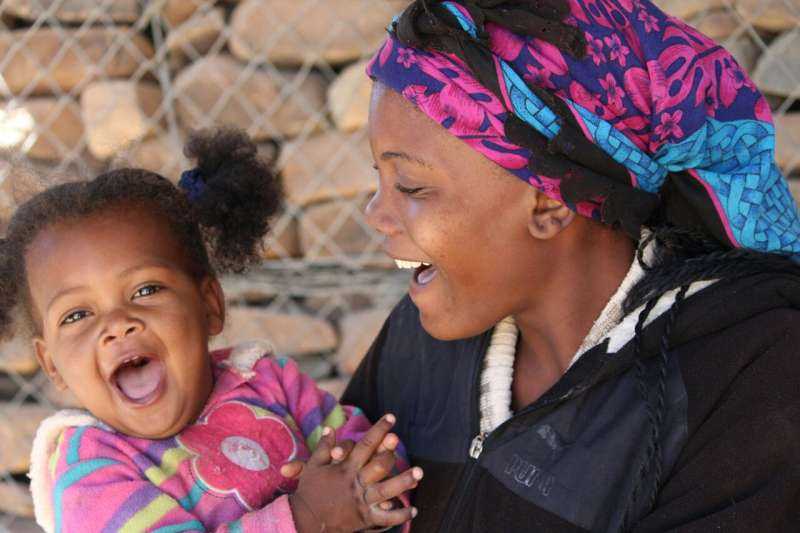
Discover why using baby talk, or "parentese," is beneficial for your child's language development and how it enhances their learning process.
The common belief that parents should avoid using baby talk with infants and young children has been challenged by recent research. Many caregivers are often advised to speak in a more adult-like manner to ensure proper language development. However, studies have shown that the use of "parentese," or baby talk, can actually be highly effective in helping babies learn and understand language.
Parentese is characterized by its simple, repetitive phrases, high-pitched voice, and exaggerated intonation. These features make it easier for infants to recognize sounds and words. According to Dr. Patricia Kuhl, a renowned expert on early childhood language development at the University of Washington, parentese helps babies connect speech sounds with their meanings more effectively.
Moreover, parentese encourages interaction between parents and children, fostering a stronger bond and promoting social communication skills. When parents use baby talk, they are more likely to engage in back-and-forth conversations, which is crucial for language acquisition. This interactive approach not only enhances the child's vocabulary but also improves their ability to communicate effectively.
In contrast, speaking in complex sentences or using sophisticated vocabulary might overwhelm young children and hinder their understanding of basic concepts. Therefore, maintaining a balance between adult-like speech and simplified language can be beneficial. Parents should use parentese during playtime, feeding, and other daily activities to maximize its positive impact on their child's language development.
In conclusion, embracing baby talk or "parentese" is not only harmless but also highly advantageous for your child’s early language learning journey. By using this approach, parents can support their children in developing strong communication skills from an early age.