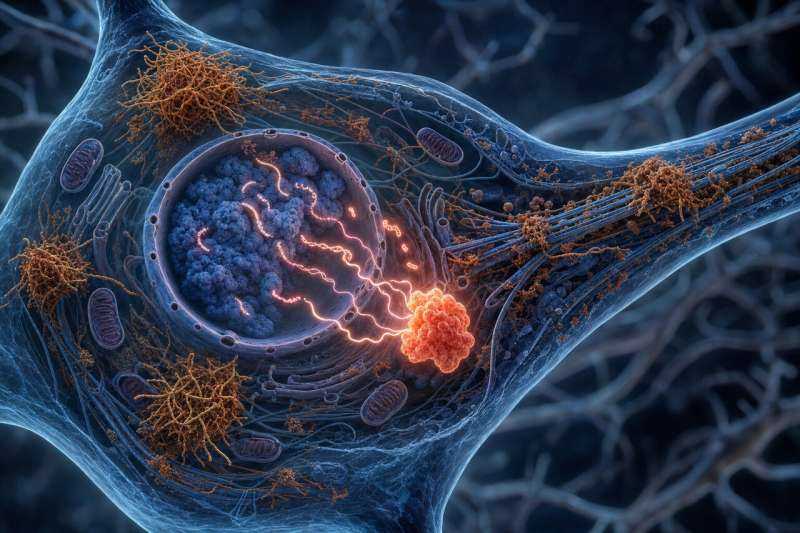
Explore how tau protein accumulates in neurons and potentially initiates genetic processes that result in cell death in Alzheimer's disease.
Alzheimer's disease is a neurodegenerative condition marked by a gradual deterioration of mental functions and memory loss. This debilitating illness, along with frontotemporal dementia and certain other neurodegenerative disorders, has been linked to the presence of abnormal clumps of a protein called tau inside neurons. These tau aggregates are now seen as key players in the progression of Alzheimer's.
Research suggests that within affected neurons, tau may not just accumulate passively but could actively set off a genetic chain reaction leading to cell death. This process involves complex interactions between tau and other cellular components, potentially altering gene expression patterns and disrupting normal neuronal function. Scientists are increasingly focusing on these mechanisms in hopes of developing more targeted therapies.
Understanding the precise role of tau in triggering these genetic changes is crucial for advancing Alzheimer's research. By identifying specific genes or pathways that become dysregulated due to tau accumulation, researchers can pinpoint potential therapeutic targets. This could pave the way for new treatments aimed at halting or reversing the destructive cascade initiated by tau inside neurons.
In summary, the study of tau protein in Alzheimer's disease is revealing a complex interplay between genetics and neurodegeneration. As scientists continue to unravel these intricate processes, there is hope that future interventions may offer more effective ways to combat this devastating condition.