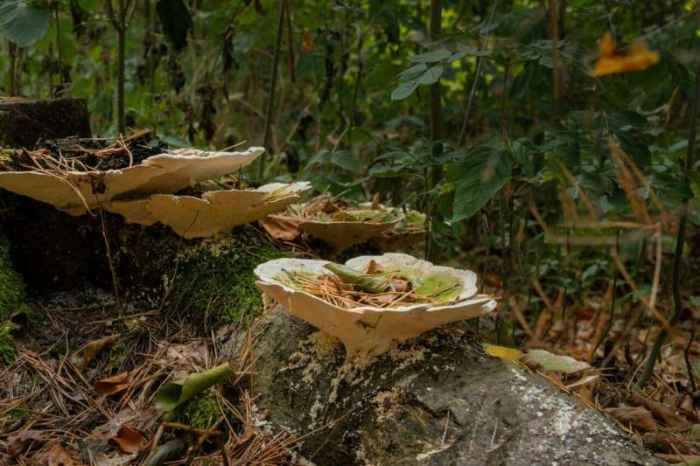
A recent study showcased at ASM Microbe 2026 reveals how the local Lentinus squarrosulus mushroom can convert agricultural waste into a valuable food source.
A groundbreaking study presented at ASM Microbe 2026 has highlighted the potential of an indigenous mushroom, Lentinus squarrosulus, in transforming agricultural waste into a nutritious and sustainable food resource. The research demonstrates that this mushroom can be cultivated under controlled conditions using locally available agricultural byproducts, offering a promising solution to reduce waste while enhancing food security.
The study, conducted by a team of scientists from various institutions, explored the feasibility of utilizing Lentinus squarrosulus for bioconversion processes. This indigenous species was chosen due to its adaptability and potential for high yield when grown on common agricultural residues such as straw and crop remnants. The researchers found that not only could this mushroom be cultivated efficiently using these waste materials, but it also produced a significant amount of edible fruiting bodies.
The implications of this discovery are far-reaching. By repurposing agricultural waste into a valuable food source, the study suggests a sustainable approach to managing surplus biomass while addressing nutritional deficiencies in communities where such resources may otherwise go unused or discarded. The cultivation process is not only environmentally friendly but also economically viable, as it relies on locally sourced materials that would otherwise be considered waste.
Moreover, the edible fruiting bodies of Lentinus squarrosulus are rich in essential nutrients and possess potential health benefits, making them an attractive addition to local diets. This development could contribute significantly to food security initiatives, particularly in regions where access to diverse and nutritious foods is limited.
In conclusion, this innovative research opens up new avenues for sustainable agricultural practices and highlights the untapped potential of indigenous species like Lentinus squarrosulus. As further studies are conducted, it is hoped that these findings will inspire wider adoption of such bioconversion technologies, ultimately contributing to more resilient and sustainable food systems globally.