
How Trained Community Health Officers Cut Sierra Leone's Maternal Deaths by Two-thirds
Sierra Leone has made significant strides in reducing maternal mortality rates, with the help of trained community health officers. A nationwide longitudinal observational study published in BMJ Global Health reveals that between 2012 and 2023, the impact of surgical task-sharing through these community health officers has been transformative.
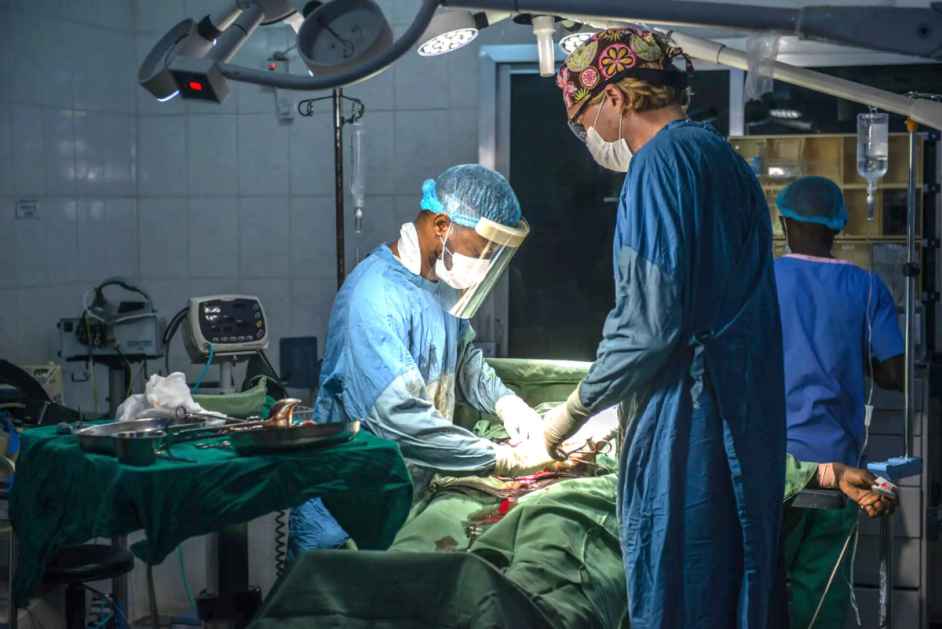
The study found that by 2023, non-physician clinicians—specifically trained community health officers—had performed 41% of all surgical procedures nationwide. These trainees became the primary surgical providers in rural areas, accounting for 55.1% of all operations and primary performers of cesarean sections (57.6% nationally). This has contributed to improving access to emergency obstetric care.
Key findings include:
The total number of surgical providers more than doubled from 2012 to 2023, rising from 165 to 347. Community health officers have been instrumental in addressing the unmet need for surgical services and increasing the overall volume of surgeries performed annually.
The success of this initiative is attributed to several factors:
Government Buy-in: The Sierra Leone Ministry of Health's commitment to training more midwives and enhancing ambulance services has played a crucial role. Research Validation: A series of research articles over the past decade have confirmed that the surgical care provided by community health officers is as safe as that offered by trained surgeons. Training Programs: CapaCare, an organization supporting this initiative, offers comprehensive training programs for both non-physician clinicians and specialist providers.
Despite ongoing challenges such as limited legal recognition for some trainees, the overall trend remains encouraging. As of 2024, Sierra Leone's maternal mortality ratio had dropped from over 1,000 per 100,000 people when CapaCare began its work to around 300.
Bolkan and van Duinen, key figures in the initiative, remain optimistic about achieving a significant milestone by 2030. They believe that continued progress will help Sierra Leone reach the United Nations Sustainable Development Goal of reducing maternal mortality ratios to below 70 per 100,000 people.
Publication Details:
Journal: BMJ Global Health
DOI: 10.1136/bmjgh-2024-018423
This initiative underscores the potential of community health workers to address critical healthcare needs in resource-limited settings, contributing significantly to global efforts to improve maternal and child health outcomes.
Publication details: Mali Eggen Furre et al, The impact of surgical task-sharing in Sierra Leone: a nationwide longitudinal observational study on surgical workforce and volume, 2012–2023, BMJ Global Health (2025).
Citation: How trained community health officers cut Sierra Leone's maternal deaths by two-thirds (2026, May 14) retrieved from https://medicalxpress.com/news/2026-05-community-health-officers-sierra-leone.html
This document is subject to copyright. Apart from any fair dealing for the purpose of private study or research, no part may be reproduced without the written permission of the copyright owner. The content is provided for information purposes only.


