A new study highlights how cultural factors, stress, and social interactions impact gastrointestinal health beyond genetics, diet, and gut bacteria.
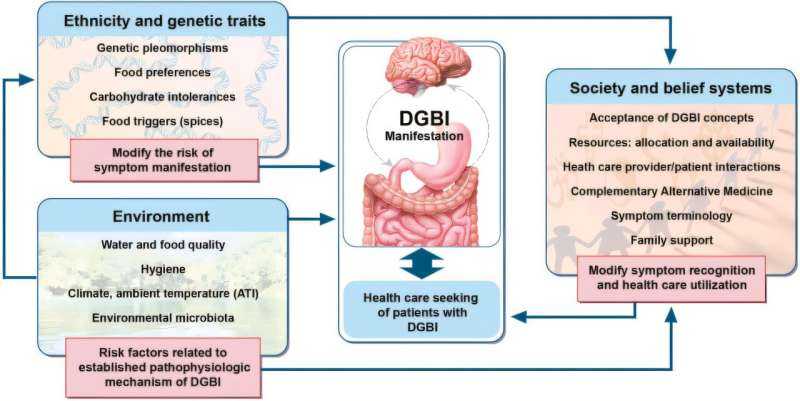
Understanding the intricate connection between our mental state and physical well-being is crucial in today's fast-paced world. Recent research, co-authored by Professor Agata Mulak from Wroclaw Medical University, delves into this complex relationship, revealing that gastrointestinal health is influenced not only by genetic predispositions, dietary habits, and gut microbiota but also by broader societal factors.
The study emphasizes the significant role of culture in shaping our digestive system. For instance, cultural practices such as meal timing, food preparation methods, and even social norms around eating can influence how our bodies process nutrients and respond to stress. These external factors contribute to a more holistic view of gut health, suggesting that simply focusing on diet and probiotics may not be enough.
Moreover, the research underscores the impact of stress and social life on gastrointestinal health. Stress from academic or professional pressures, interpersonal conflicts, and significant life events can trigger or exacerbate digestive issues. This finding aligns with common experiences where individuals report abdominal pain before exams or nausea during stressful periods. The study highlights that these symptoms are not just temporary bodily reactions but could be indicative of a deeper physiological response.
In addition to stress, the social environment plays a critical role in gut health. Economic status and social relationships can affect access to healthcare, dietary choices, and overall lifestyle factors that impact digestive function. For example, individuals from lower socioeconomic backgrounds may have limited access to nutritious foods or medical care, leading to higher incidences of gastrointestinal disorders.
This comprehensive approach to understanding gut health opens new avenues for prevention and treatment strategies. It encourages a multidisciplinary approach involving not only gastroenterologists but also psychologists, sociologists, and public health experts to address the multifaceted nature of digestive issues. By considering cultural, social, and psychological factors, healthcare providers can offer more personalized and effective interventions.
In conclusion, recognizing the influence of culture, stress, and social life on gut health provides a broader perspective for managing digestive disorders. This holistic approach not only enhances our understanding of these conditions but also paves the way for innovative treatments that address both physical and mental well-being.